
Turning a Bad Race Into Your Best Training Lesson
Turning a disappointing race into progress starts with honest review; here is how to diagnose what went wrong and rebuild for your next start line.
 Grace Okonkwo
Training & Racing Editor
Grace has run everything from muddy 5Ks to big-city marathons and coached club runners toward their own personal bests. She writes training advice grounded in consistency over heroics, and believes most runners improve fastest by running easy more often.
Articles
Turning a disappointing race into progress starts with honest review; here is how to diagnose what went wrong and rebuild for your next start line.
Grace Okonkwo

Beat the dreaded marathon wall with smarter fueling, even pacing, and a few mental tricks that keep your legs moving when the miles get truly hard.
Grace Okonkwo

Choosing a goal race is about honesty, not ambition; here is how to weigh your fitness, timeline, and terrain to pick a race you can actually run well.
Grace Okonkwo

Negative splits mean running the second half faster than the first; for a 5K, that discipline early pays off with a strong, fast finish and a PR.
Grace Okonkwo
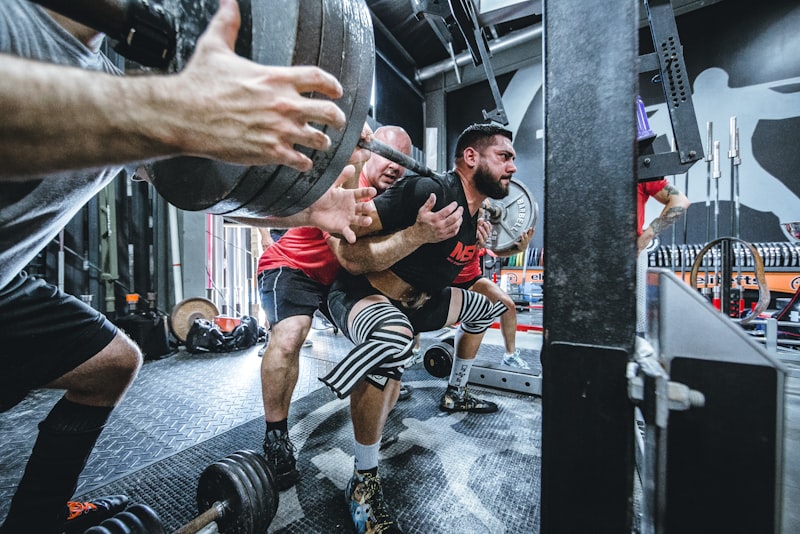
First marathon this weekend? Use this week-before checklist for sleep, carbs, gear, logistics, and travel so nothing catches you off guard at the start.
Grace Okonkwo

What you eat on the morning of a half marathon matters; here is a timed breakfast, hydration, and caffeine plan that steadies your stomach and energy.
Grace Okonkwo

Nail your 10K by starting controlled, settling into goal pace, and spending everything in the final mile; here is a simple plan to pace it well.
Grace Okonkwo

Tapering feels counterintuitive, but the final two weeks decide your marathon; here is how to cut volume, keep sharpness, and arrive fresh on race day.
Grace Okonkwo

Why do so many runners train too hard on easy days? Polarized training keeps easy runs easy and hard days hard, and it works for busy schedules.
Grace Okonkwo

Adding mileage too quickly is how runners get hurt; learn how to grow your weekly volume with cutback weeks, the ten-percent idea, and honest recovery.
Grace Okonkwo

Tempo and threshold get used interchangeably, but they train different systems; here is what each pace feels like and when to use them in a plan.
Grace Okonkwo
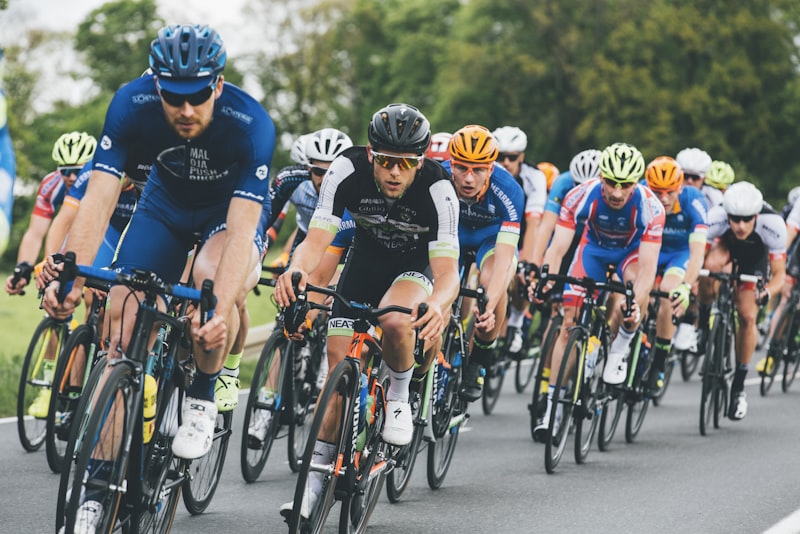
New to running? This realistic eight-week plan mixes walking and jogging to reach a nonstop 5K without burnout, soreness, or injury, one step at a time.
Grace Okonkwo

Long runs fall apart when fueling and pacing go wrong, so use this practical playbook to time your gels, hold an easy effort, and finish strong.
Grace Okonkwo

Most runners run their easy days far too fast and blunt their progress; here is how to find a truly easy pace and why it will make you faster.
Grace Okonkwo

Your first interval workout can feel intimidating, so here is a simple beginner session with warmup, reps, recovery, and cooldown to run it right.
Grace Okonkwo

Build a deep aerobic base with months of easy mileage and patience, so the speed work you add later actually sticks and your race times drop.
Grace Okonkwo