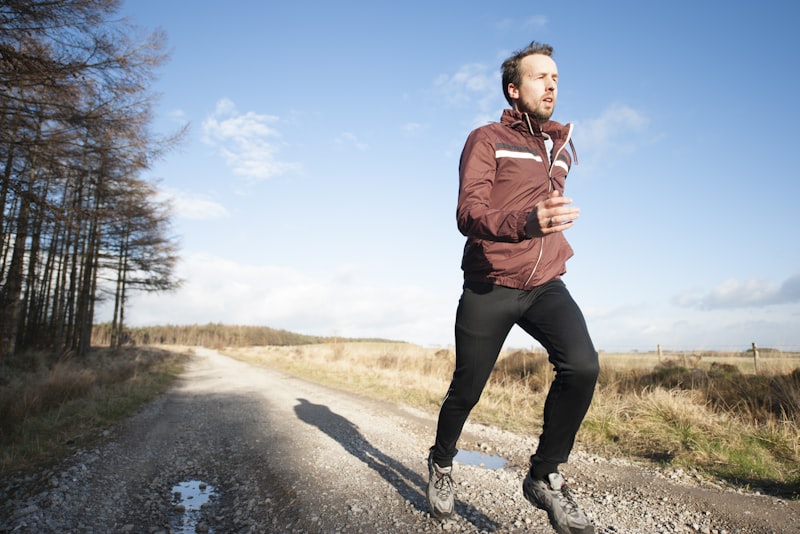
The half marathon sits in an awkward spot for eating. It is long enough that what you had for breakfast genuinely affects how you feel at mile 10, but short enough that people talk themselves into skipping food entirely, then wonder why they fall apart on the last climb. After more than a decade of racing and coaching runners through this distance, I have come to believe the morning meal is one of the most underrated levers you have, and one of the easiest to get wrong.
Here is how I think about the hours before the gun, and what I actually tell the runners I work with.
Why the morning meal matters more than you think#
You wake up on race morning with your liver glycogen partly drained. That is just what happens overnight; your body keeps burning fuel while you sleep, and the liver is where you top up the sugar that keeps your brain and muscles happy. By the time your alarm goes off, that tank is lower than it was when you went to bed.
For a 5K, this barely matters. You can run hard on stored muscle glycogen and finish before the shortfall catches you. But a half marathon is usually somewhere between 75 minutes and two and a half hours of continuous work. Somewhere in there, an empty morning tank starts to show up as heavy legs, foggy focus, and that grim feeling that you are working far harder than the pace should require.
The goal of the pre-race meal is simple: top up liver glycogen, arrive at the start line neither hungry nor stuffed, and do it all with food that will not surprise your gut. Nothing fancy. The magic is in the timing and the restraint.
The timing: 2-3 hours before the start#
The single most useful rule I can give you is to eat your main breakfast two to three hours before your wave goes off. That window gives your stomach time to empty most of the meal, so you are not running with a full, sloshing belly, while still delivering the carbohydrate into your bloodstream when you need it.
This is genuinely inconvenient. A 7:30 a.m. start means eating around 5:00, which for a lot of people means setting an alarm earlier than they would like and forcing food down before their appetite has woken up. I get it. But the runners who protest the loudest about the early alarm are often the same ones who report a queasy stomach or a bonk, and the timing is usually the culprit.
A few practical notes on the window:
- If you genuinely cannot eat three hours out, eat what you can at two hours, then keep it smaller and simpler.
- If your stomach is very sensitive, lean toward the three-hour end and choose liquid or soft foods.
- The clock starts at the gun, not when you leave the house. Factor in travel, bag drop, and the porta-potty line so you are not eating in the car and immediately jogging to the corral.
What to actually eat#
Aim for a breakfast that is mostly carbohydrate, low in fiber, low in fat, and modest in protein. Carbohydrate is the fuel. Fiber and fat both slow digestion and, for many people, stir up the gut at exactly the wrong time. This is one of the rare mornings where the whole-grain, high-fiber, virtuous breakfast is the wrong call.
Reliable options#
These are the meals I see work again and again:
- A bagel or white toast with a thin layer of jam or honey, maybe a little nut butter if fat sits well with you.
- Oatmeal made with water or a splash of milk, topped with banana or a drizzle of honey rather than a mountain of seeds and berries.
- A banana with a small bowl of low-fiber cereal.
- White rice or a plain roll if you are one of the many runners who does better with savory food in the morning.
- A liquid option — a carb-heavy smoothie or a bottle of a sports drink plus a banana — for anyone whose stomach flat-out refuses solid food at dawn.
You do not need to count grams to death, but a useful mental target is something in the range of one to two grams of carbohydrate per kilogram of body weight for that meal. For most runners that lands around a bagel-plus-banana sort of quantity. Bigger, longer-lasting runners can eat toward the top of that range; smaller runners or those with nervous stomachs should stay lower.
What to leave off the plate#
- High-fiber cereals, bran, lots of raw fruit and berries — save them for tomorrow.
- Greasy or heavy proteins — the big eggs-and-sausage plate feels substantial and digests like a brick.
- Anything brand new. Race morning is not the day to try the fancy breakfast the expo was handing out.
Hydration: sip, do not chug#
Hydration on race morning is a slow, boring process, and that is exactly how it should be. The mistake I see most often is a runner who forgets to drink, panics twenty minutes before the start, and gulps down a large bottle of water all at once. That does two unhelpful things: it sends you straight back to the porta-potty line, and it can dilute your blood sodium if you overdo it on plain water.
Instead:
- Drink normally with breakfast — a glass or two of water or a sports drink alongside your food.
- Sip steadily in the hour or two afterward rather than saving it all for the end.
- Stop the big volumes about 45 minutes out, then take just a few final sips right before you line up.
A quick self-check: your urine should be pale straw, not clear and not dark. Clear all the way through usually means you have overdone the water. On a hot morning, choosing a sports drink over plain water for part of your intake helps you hold onto sodium, which matters more the longer and sweatier your race will be.
Caffeine, if you use it#
Caffeine is a legitimate performance aid for endurance running, and plenty of good runners use a cup of coffee or a caffeinated gel as part of their routine. If it is already part of yours, race morning is not the time to abandon it — skipping your usual coffee can leave you flat and headachy.
The honest caveats:
- It has to be tested. Caffeine famously gets the gut moving, which is welcome if you want to use the bathroom before the start and unwelcome if it hits at mile 8. You need to know which one you are.
- Timing works best about 45 to 60 minutes before you want the effect, whether that is at the start or saved for a mid-race gel.
- More is not better. A normal cup of coffee, or the amount in a single caffeinated gel, does the job for most people. Doubling up tends to buy you jitters and a racing heart rather than free speed.
If you have never raced on caffeine, do not debut it on the day of a goal race. Try it on a hard training run first and see how your stomach and your nerves respond.
The golden rule: nothing new on race day#
I have said versions of this three times already, and I am going to say it plainly one more time because it is the rule that saves the most races: do not do anything on race morning that you have not rehearsed in training.
The best way to build a race-morning routine is to treat your longest training runs as dress rehearsals. Set the same alarm, eat the same breakfast at the same interval, drink the same fluids, take the same caffeine, and then run. You will learn an enormous amount in two or three of these rehearsals — whether the oatmeal sits well, whether the coffee sends you to the bathroom on time, whether you need more or less food than you assumed.
By the time you get to the start line, none of it should be a question. The plan is boring because you have run it before, and boring is exactly what you want when the nerves are up.
A sample timeline for a 7:30 start#
To pull it all together, here is roughly how a morning might look for a mid-pack runner in a 7:30 a.m. race:
- 5:00 — Wake, drink a glass of water, eat the tested breakfast (bagel with jam and honey, a banana), sip coffee.
- 5:30–6:15 — Travel to the start, sipping water or a sports drink slowly along the way.
- 6:30 — Bag drop, final bathroom stop, a few more sips.
- 6:45 — Optional small gel or a few chews if you like a little something close to the start and have practiced it.
- 7:15 — A last few sips of fluid, then into the corral.
- 7:30 — Run the race you fueled for.
Adjust the clock to your own start time and appetite, but keep the shape of it intact.
The bottom line#
Race-day breakfast is not where you win a half marathon, but it is absolutely where you can lose one. Eat a familiar, carb-rich, low-fiber meal two to three hours out, sip your fluids rather than gulping them, use caffeine only if you have trained with it, and rehearse the whole thing before the day that counts. Do that, and you arrive at the start line settled instead of guessing — which frees you up to spend your energy on the only thing that should be hard that morning, which is the running itself.