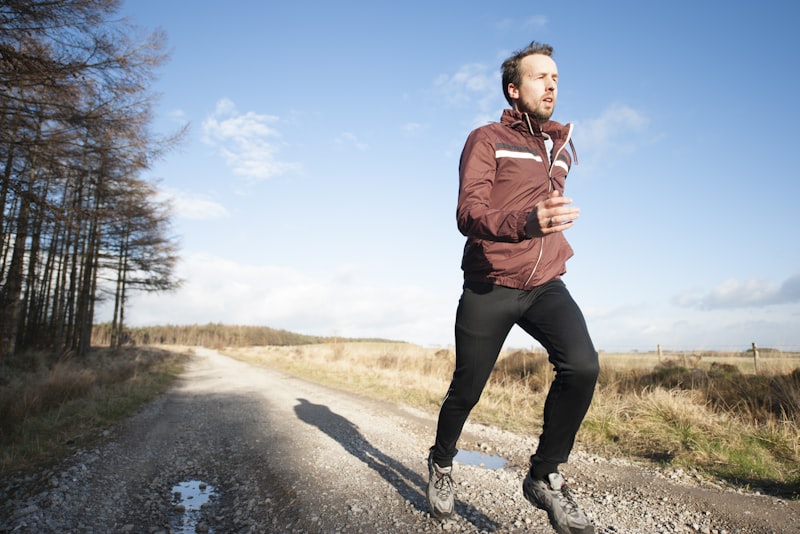
The 10K is the great humbler of race distances. It is long enough that a reckless first mile will cost you dearly, yet short enough that the whole thing feels urgent from the moment the gun goes. I have coached runners who could crush a mile repeat in training and then blow up spectacularly at 6K because they treated the race like an extended sprint. Pacing a 10K well is not about running harder than everyone else; it is about running smarter than the version of you that wants to chase the field off the line.
Why the 10K Punishes Poor Pacing#
The 10K sits in an awkward physiological seam. It is run at an intensity close to your lactate threshold, which means you are operating right at the edge of what your body can clear sustainably. Go a few seconds per mile too fast in the early going, and you tip over that edge. The metabolic cost does not stay linear either; the effort you borrow in the first two kilometers gets repaid with painful interest in the last three.
What makes it sneaky is that the opening pace feels ridiculously easy. Your legs are fresh, adrenaline is high, and the crowd is surging. That combination lies to you. The single most common mistake I see, across every ability level, is a first mile that is fifteen to twenty-five seconds faster than goal pace. It feels controlled. It is not.
- The first kilometer costs you almost nothing to run fast, so it feels free.
- The damage does not surface until 6K or 7K, long after you can undo it.
- By then you are not slowing by choice; your body is forcing the issue.
Know Your Goal Pace Before You Toe the Line#
You cannot pace a race you have not defined. Before race day, you need an honest goal pace grounded in recent fitness, not last year's PR or a number that sounds nice.
Setting a realistic target#
The most reliable predictor I use is a recent hard effort at a shorter distance or a threshold workout. If you have run a recent 5K, your 10K pace will typically land somewhere around ten to fifteen seconds per mile slower than your 5K pace. That is a starting estimate, not gospel, and it shifts with your training background:
- Strength-based runners with high mileage often hold closer to their 5K pace because the aerobic tank is deep.
- Speed-based runners who race well over shorter distances tend to fade more, so they should be conservative.
- Newer runners should anchor to a pace they have actually sustained in a tempo run, not one they hope to hit.
Once you have your per-mile or per-kilometer target, memorize the split it produces at each checkpoint. If your goal is a 45-minute 10K, that is 7:15 per mile or roughly 4:30 per kilometer. Knowing those numbers cold means you can course-correct in real time instead of guessing.
Translating pace to effort#
Splits are useful, but wind, hills, and race-day nerves mean the watch will not always cooperate. This is why I want runners to also know what goal pace feels like. At 10K effort, you should be breathing hard but rhythmically, able to speak only a word or two at a time. If you can hold a short sentence comfortably in the first few miles, you are going too easy; if you cannot get a single word out, you are going too hard. Pair the number with the feel, and you have a backup when the GPS drifts under trees or between buildings.
The Opening Mile: Controlled Restraint#
Here is the discipline that separates a good race from a disaster. The first mile should feel almost too easy. Your job in the opening kilometer and a half is to let the crowd go and settle into a rhythm that is at or barely under goal pace.
I tell my athletes to aim for the first mile within about five seconds of goal pace, never faster. If your goal split is 7:15, running the opening mile in 7:12 to 7:18 is perfect. Running it in 6:55 because it felt fine is how you find yourself walking at 8K.
A few tactics that help you hold back:
- Line up honestly. Start in a corral or position that matches your realistic pace so you are not fighting the urge to weave past slower runners or chase faster ones.
- Let people pass you. Runners who surge by in the first mile are making a deposit they cannot afford. You will see many of them again around 7K, and you will be the one passing.
- Check your watch early, then trust it. Glance at your pace within the first quarter mile. If it starts with a number faster than planned, ease off immediately, before the adrenaline convinces you it is sustainable.
The Middle Miles: Lock In and Grind#
Once your breathing settles, usually somewhere in the second mile, you shift into the working phase of the race. This is where you lock onto goal pace and hold it with as little drama as possible.
The middle section, roughly from 2K to 7K, is mentally the hardest part precisely because nothing is happening. You are not fresh anymore, but the finish is not close enough to smell. The temptation here is to drift, to let the pace sag by a few seconds because it stops feeling urgent.
Staying honest through the dull middle#
- Run the mile you are in. Do not think about the full remaining distance. Focus on hitting the current mile split, then the next one.
- Use other runners as pacing anchors. Find someone moving at your rhythm and settle in a stride behind them. Sharing the work, especially into a headwind, is a real advantage.
- Audit your form every few minutes. Drop your shoulders, unclench your hands, and keep your cadence quick. Tension wastes energy you will want later.
One realistic caveat: courses are rarely flat. If you hit a climb in the middle miles, run it by effort, not pace. Let the pace slip slightly on the uphill and gently make it back on the descent rather than blowing your legs apart trying to hold an exact number up a grade.
The Final Kilometer: Spend Everything#
Everything you conserved in the first mile is capital you get to spend now. The last kilometer of a well-paced 10K should hurt, and it should hurt because you are accelerating, not because you are hanging on.
Around the 8K to 9K mark, start winding the effort up. Not a reckless surge, but a gradual lift. If you paced the first nine kilometers correctly, you will find you have more than you expected. This is the reward for patience.
Here is how I like runners to structure the close:
- At 8K, commit to holding pace no matter how loud the discomfort gets. This is a mental checkpoint, not a speed change.
- At 9K, begin lifting the pace deliberately, targeting a few seconds per kilometer faster.
- In the final 400 meters, empty the tank. Whatever is left, spend it all before the line.
The feeling you are chasing is finishing your fastest kilometer of the day at the very end. If you have anything left to jog afterward, you left time on the course.
Even Splits vs. Negative Splits#
There is a long-running debate about the ideal split pattern, and for the 10K the honest answer is that either even or slightly negative splits will serve almost every runner far better than going out hot.
- Even splits mean running each mile at essentially the same pace. This is the simplest strategy and works beautifully for most amateurs. It removes decision-making and keeps effort steady.
- Negative splits mean running the second half faster than the first. This is the gold standard for a maximal performance, but it demands the discipline to start conservatively enough to have gas left.
The strategy to actively avoid is the positive split, where you go out fast and slow down. It is emotionally satisfying for two miles and miserable for the remaining four. In practice, aim for even splits with a controlled acceleration in the final kilometer. That gives you the reliability of even pacing with the upside of a negative-split finish.
Practicing Your Pace Before Race Day#
Pacing is a skill, and skills need rehearsal. You should not be discovering your goal pace for the first time on race morning.
- Run tempo intervals at goal pace. Sessions like three sets of two kilometers at 10K effort teach your body and brain what the pace feels like when you are tired.
- Do a pace-locked long run finish. Close out a long run with a few kilometers at goal pace to practice holding it on fatigued legs.
- Rehearse the fast finish. Occasionally end a workout with a hard final kilometer so the closing surge feels familiar rather than shocking.
The more your goal pace becomes a felt sense rather than a number you are chasing, the less you will rely on perfect GPS and the more you can adapt to hills, wind, and the chaos of a race start.
Final Thoughts#
A well-paced 10K is a quiet act of self-control followed by a loud finish. Start with restraint that feels almost boring, settle into your goal pace once your breathing evens out, grind honestly through the dull middle, and then spend every last drop in the final kilometer. Do that, and you will pass runners for the last two miles instead of being passed. The gun going off is an invitation to panic; your job is to politely decline it, run your own numbers, and let the race come to you. That patience is what a personal best is built on.