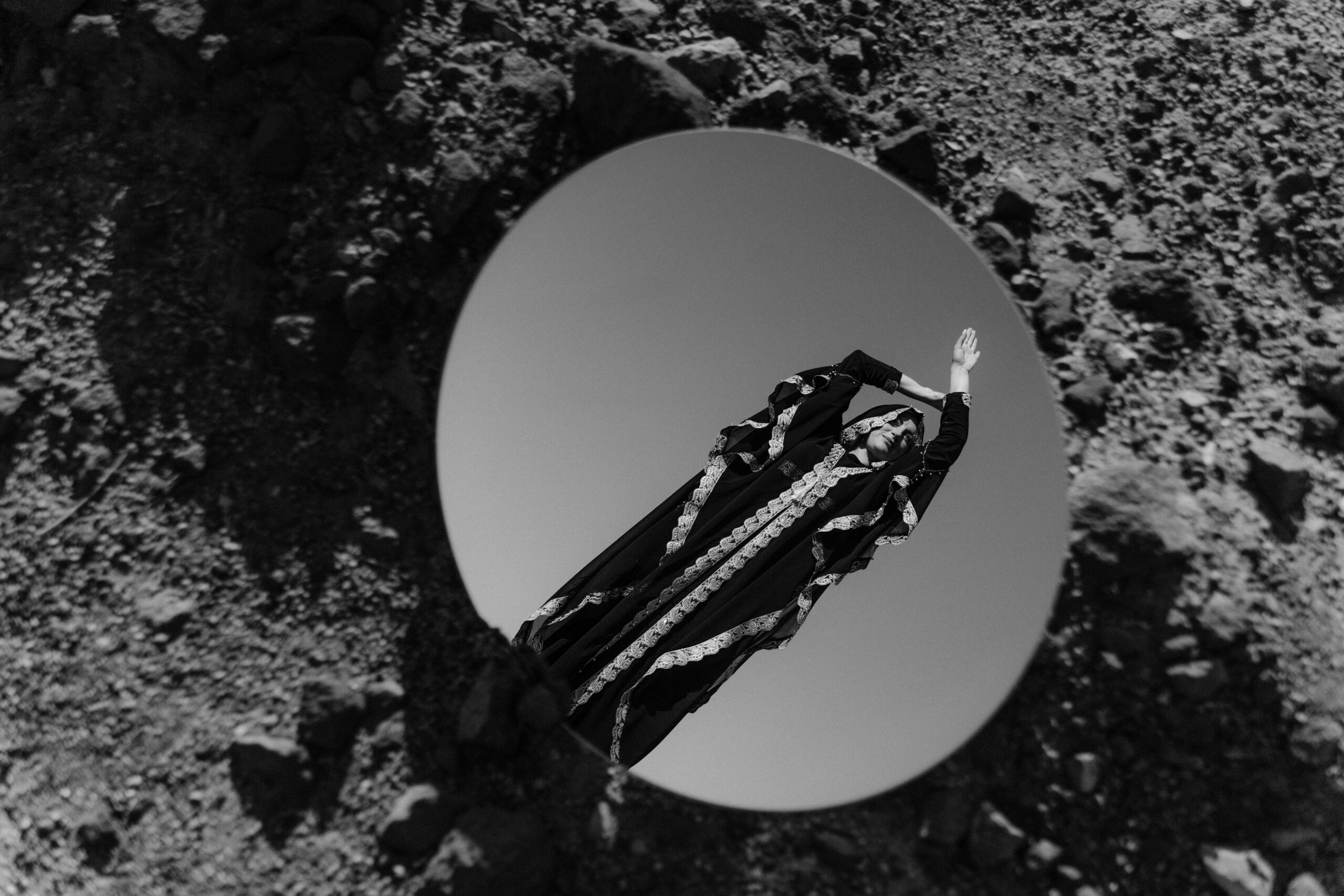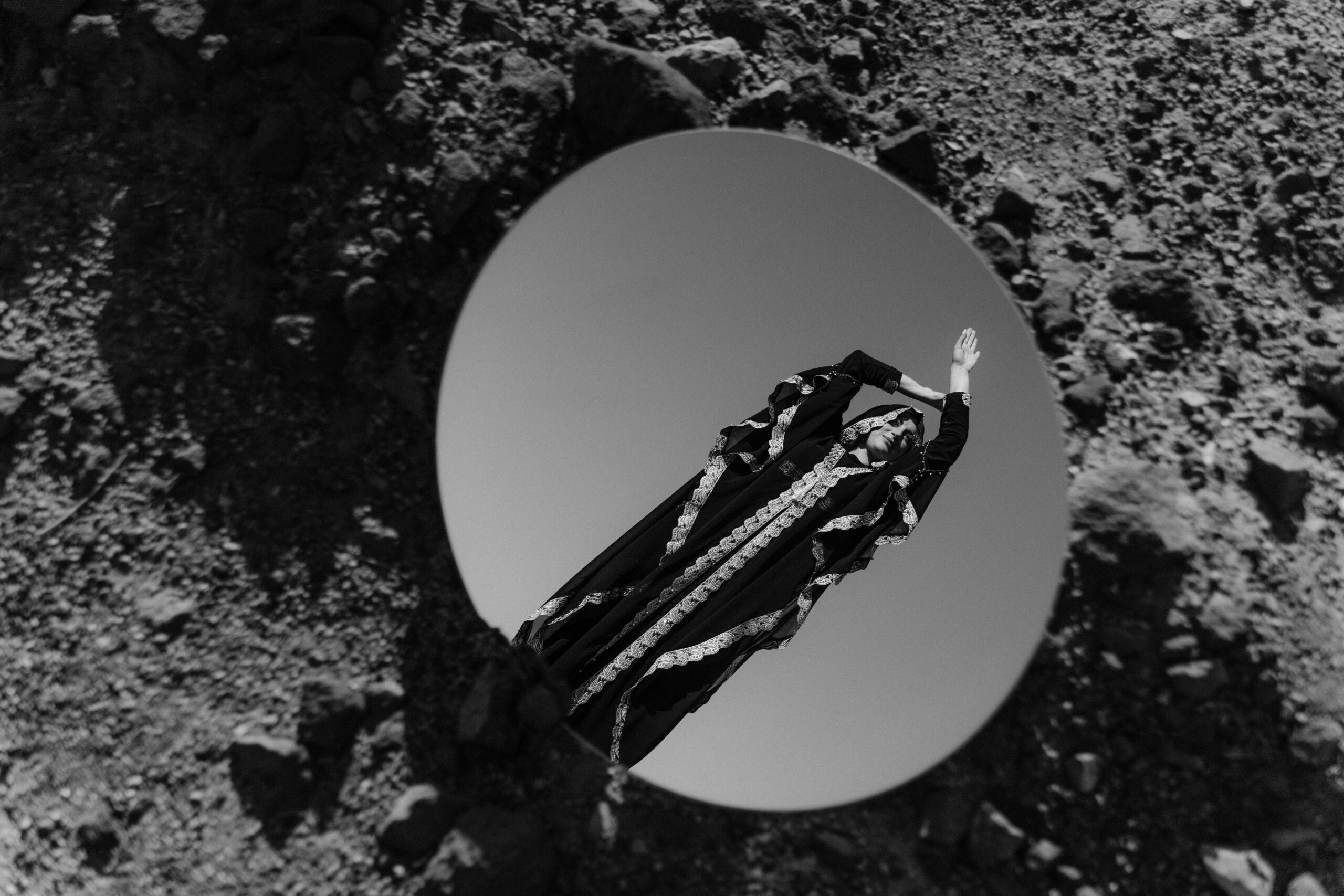
Movement shapes how we experience the world, connecting body, mind, and environment in ways that reveal the fundamental nature of human existence and perception.

🌊 The Living Body in Motion: Beyond Mechanical Understanding
When we think about movement, we often reduce it to biomechanics—muscles contracting, joints rotating, forces applied. Yet phenomenology invites us to explore something far richer: the lived experience of moving through space and time. This philosophical approach, pioneered by thinkers like Maurice Merleau-Ponty and Edmund Husserl, examines how movement feels from the inside, how it creates meaning, and how it fundamentally structures our relationship with reality.
The phenomenology of movement begins with a simple yet profound observation: we don’t experience our bodies as objects among other objects. Instead, we live through our bodies as our primary mode of being-in-the-world. When you reach for a coffee cup, you don’t calculate angles and distances—you simply reach. This prereflective intelligence of the body demonstrates that movement is not merely physical displacement but a form of intentionality, a way of engaging with and understanding our surroundings.
Consider the difference between moving your arm consciously versus the spontaneous gesture you make while speaking. The latter flows naturally, emerging from your engagement with conversation rather than deliberate control. This distinction reveals layers of movement experience that range from automatic to highly conscious, each offering unique insights into how we inhabit our bodily existence.
🎭 Intentionality and Motor Consciousness
Movement carries intention even before conscious thought articulates it. When a dancer prepares to leap, the body already knows the space it will traverse. This motor intentionality represents a form of knowledge that precedes and often surpasses intellectual understanding. Athletes speak of “muscle memory,” but phenomenology suggests something more profound: the body itself possesses a kind of intelligence that grasps situations and responds appropriately.
This embodied intentionality manifests in multiple dimensions. There’s the immediate intention of a specific movement—reaching, walking, turning. Beyond this lies the broader intentional arc that connects movements into meaningful sequences. A pianist’s fingers don’t simply strike keys; they flow through phrases that express musical ideas. The individual movements derive their meaning from this larger gestalt of intentional action.
Motor consciousness also reveals itself in the phenomenon of skillful coping. When you navigate a crowded sidewalk, your body adjusts continuously to avoid collisions, maintaining flow without conscious calculation. This prereflective responsiveness demonstrates how movement mediates between self and world, creating a dynamic dialogue that constitutes much of our daily experience.
The Temporal Structure of Movement Experience
Every movement unfolds across time, yet we experience it as a unified whole rather than a series of discrete moments. Phenomenology describes this as the temporal structure of consciousness, where past, present, and future interpenetrate. When catching a ball, your body anticipates its trajectory, coordinates in the present moment, and retains the just-completed phases of movement—all simultaneously.
This temporal thickness of movement experience challenges simplistic notions of the “now.” The present of movement is always pregnant with what just was and what is about to be. A tennis player’s swing doesn’t begin when the racket moves; it includes the preparatory stance, the visual tracking of the ball, and the anticipation of the follow-through—all compressed into the lived present of the action.
💫 Space as Lived Experience: The Body’s Spatial Intelligence
Phenomenology distinguishes between objective space—the measurable, geometric space of physics—and lived space, the qualitative, oriented space we actually inhabit. Your body creates this lived space through movement, establishing regions of near and far, accessible and out-of-reach, safe and threatening. This isn’t abstract knowledge but practical understanding written into your bodily habits.
Consider how differently you experience space when dancing versus when navigating a dangerous ledge. The same physical dimensions transform completely depending on your bodily engagement. Dance opens space into expressive possibility; the ledge contracts it into careful constraint. Movement doesn’t just occur in space; it actively constitutes the meaningful spatial world we inhabit.
The concept of the “body schema” captures this spatial intelligence. Unlike the body image—your conscious representation of your body—the body schema operates prereflectively, constantly updating your sense of where your limbs are and how they relate to the environment. When driving, the car becomes incorporated into your body schema; you sense its dimensions as extensions of your own bodily space. This remarkable plasticity reveals how movement experience continuously reconfigures the boundaries between self and world.
Proprioception and the Sixth Sense
Often called the sixth sense, proprioception provides continuous feedback about body position and movement. Yet from a phenomenological perspective, proprioception isn’t merely sensory information—it’s the basis of self-awareness itself. You know where your hand is not by observing it but by being it. This non-observational self-awareness through movement reveals the unique character of bodily existence.
When proprioception is disrupted, as in certain neurological conditions, the consequences extend far beyond coordination problems. Patients describe feeling disembodied, uncertain of their existence, as if their movements belong to someone else. These cases dramatically illustrate how movement experience grounds our most basic sense of self and reality.
🎨 Expression and Communication Through Movement
Movement is never merely functional; it’s inherently expressive. Even the most mundane gesture carries style, mood, and character. The way someone walks reveals confidence, fatigue, joy, or anxiety. This expressive dimension isn’t added to movement—it’s intrinsic to it. Our movements constantly communicate, whether we intend them to or not.
Dance and performance art make this expressive capacity explicit, but everyday movement participates in the same dynamic. When you gesture while explaining an idea, your hands don’t merely illustrate your words—they think through the concept in their own kinetic language. This embodied thinking demonstrates that movement is a form of intelligence and expression in its own right, not merely the execution of mental commands.
The phenomenology of expressive movement reveals how deeply social our bodily existence is. We learn movements by watching others, absorbing not just techniques but entire styles of being. Cultural differences in gesture, posture, and gait reflect divergent ways of inhabiting the body and engaging with the world. Movement transmits cultural meaning across generations, embedding social values in the very way we carry ourselves.
🧘 Mindfulness and Movement Awareness
Practices like yoga, tai chi, and mindful walking deliberately cultivate awareness of movement experience. These disciplines reveal layers of sensation, intention, and meaning typically overlooked in habitual action. By slowing down and attending carefully, practitioners discover the remarkable complexity within seemingly simple movements.
This heightened awareness doesn’t just improve physical performance; it transforms the quality of experience itself. When you move mindfully, the artificial boundary between doer and done dissolves. You’re not a mind controlling a body-machine; you’re a unified being exploring possibilities of embodied existence. This shift in perspective has profound implications for understanding consciousness and selfhood.
Mindful movement practices also illuminate the connection between physical and emotional states. Tension patterns in the body reflect psychological holding; releasing physical constriction can precipitate emotional release. The body doesn’t merely express emotions—it participates in constituting them. Joy isn’t just felt in the heart; it enlivens the limbs, opens the chest, lifts the gaze. Movement and emotion interweave in the unified fabric of lived experience.
Somatic Education and Transformation
Approaches like the Feldenkrais Method and Alexander Technique work with movement awareness to facilitate profound changes in how people inhabit their bodies. These methods reveal that many limitations we attribute to physical structure actually arise from habitual patterns of movement learned over time. By bringing awareness to these patterns, we can discover new possibilities of moving and being.
Somatic education demonstrates that the body is not a fixed given but a continuously evolving process. The way you moved yesterday shapes but doesn’t determine how you move today. This plasticity means that movement experience remains open to transformation throughout life, offering ongoing opportunities for learning and growth.
🔄 Movement and Identity: Becoming Through Action
We often think of identity as something we have—a stable self that persists through change. Phenomenology suggests instead that we’re continuously becoming through our actions, including our movements. The athlete becomes athletic through training; the dancer becomes graceful through practice. Identity emerges from repeated patterns of embodied engagement with the world.
This perspective challenges the notion of a disembodied self that merely uses the body as an instrument. Instead, who you are is inseparable from how you move, how you gesture, how you carry yourself through space. Changes in movement patterns—whether through injury, aging, or intentional practice—necessarily involve changes in selfhood.
Consider how learning a new skill transforms experience. The beginning pianist struggles with finger placement, each note requiring deliberate attention. With practice, playing becomes fluid, automatic, even expressive. This isn’t merely skill acquisition; it’s a transformation of being. The advanced pianist inhabits a different experiential world than the beginner, one where musical possibilities present themselves immediately through embodied understanding.
🌍 Cultural Dimensions of Movement Experience
While all humans share basic movement capacities, how we move varies dramatically across cultures. Different societies cultivate distinct postural habits, gestural vocabularies, and movement aesthetics. These differences aren’t superficial; they reflect and reinforce divergent ways of understanding selfhood, social relations, and human flourishing.
In some cultures, stillness and restraint are valued; movement is minimized and controlled. Others celebrate exuberant expressiveness, encouraging expansive gesture and dynamic action. These cultural patterns shape individual experience from infancy, inscribing social values into the very fabric of bodily existence.
Understanding the cultural dimensions of movement challenges universalist assumptions about the body. There’s no single “natural” way to move; rather, all movement emerges within particular cultural contexts that shape what feels normal, appropriate, or possible. Recognizing this diversity enriches phenomenological investigation, revealing the remarkable range of human embodied experience.
Gender and Movement Patterns
Feminist phenomenologists have explored how gender shapes movement experience. Studies show that girls and boys learn different movement patterns from early childhood, with girls often socialized toward constraint and boys toward expansiveness. These patterns become so habitual that they feel natural, yet they reflect social norms rather than biological necessity.
Iris Marion Young’s essay “Throwing Like a Girl” demonstrates how feminine movement in patriarchal societies often exhibits hesitancy and spatial constriction—not due to inherent physical differences but because girls learn to move in ways that accommodate social expectations. Recognizing these patterns opens possibilities for transformation, allowing individuals to explore movement possibilities beyond gendered constraints.
🎯 Disruption and the Breakdown of Fluency
Phenomenology often learns most from cases where normal functioning breaks down. When movement becomes difficult—through injury, illness, or environmental obstacles—its usually invisible structures become apparent. The person learning to walk again after a stroke must consciously attend to actions previously performed automatically, revealing the multiple layers of coordination involved in seemingly simple movements.
These disruptions aren’t merely problems to solve; they’re opportunities for phenomenological insight. They reveal how much of movement experience operates prereflectively, outside conscious awareness. They also demonstrate the body’s remarkable adaptive capacity, its ability to find new movement strategies when familiar patterns become unavailable.
The experience of chronic pain offers particularly profound phenomenological lessons. Pain disrupts the normal transparency of the body, forcing attention to bodily processes usually ignored. The body becomes an obstacle rather than a medium, transforming the entire structure of lived experience. Understanding these transformed lifeworlds requires phenomenological sensitivity to how movement and sensation shape consciousness itself.
🚀 Technology and Extended Movement Experience
Contemporary technology creates new forms of movement experience. Virtual reality offers embodied engagement with impossible spaces; prosthetics and exoskeletons extend bodily capabilities; motion-capture technology translates physical gesture into digital information. These innovations raise fascinating phenomenological questions about the boundaries of embodiment and the plasticity of body schema.
When someone uses a tool skillfully, phenomenologists note that the tool becomes transparent—we see through the hammer to the nail, through the cane to the ground. Advanced technologies extend this principle dramatically. A video game player experiences events in the game world as happening to them, despite the obvious mediation of controller and screen. This suggests remarkable flexibility in how consciousness incorporates external elements into lived experience.
Yet technology also risks alienating us from direct bodily engagement. Screen-based living reduces movement to fingers on keyboards, potentially impoverishing the richness of embodied experience. Phenomenology reminds us that full human flourishing requires varied, challenging movement that engages our whole being in dynamic relationship with a responsive world.
✨ The Aesthetic Dimension: Movement as Art
In dance, movement becomes explicitly artistic, exploring the aesthetic possibilities of embodied existence. Yet all movement has aesthetic dimensions—grace or awkwardness, harmony or discord, beauty or ugliness. We evaluate movement not just functionally but aesthetically, appreciating or criticizing its qualitative character.
The phenomenology of dance reveals movement’s capacity to create meaning beyond practical goals. A dance doesn’t transport the dancer anywhere or accomplish tasks; instead, it explores movement itself as a medium of expression and understanding. This aesthetic engagement with movement opens dimensions of experience often foreclosed by purely functional orientations.
Even in everyday contexts, attention to movement’s aesthetic qualities enriches experience. Walking can be mere transportation or an opportunity to appreciate rhythm, balance, and the play of forces through the body. Choosing to engage movement aesthetically doesn’t require special talent—only willingness to attend to the qualitative richness already present in embodied experience.

🌟 Integrating Movement Wisdom Into Daily Life
Phenomenological insights about movement aren’t merely academic; they offer practical wisdom for everyday living. Recognizing that you are your body, not merely an inhabitant of it, transforms how you approach physical challenges and opportunities. Understanding movement as intelligent engagement rather than mechanical execution opens new possibilities for learning and growth.
Simple practices can cultivate movement awareness: pausing to notice how you’re sitting, walking mindfully, exploring unfamiliar movements playfully. These small interventions interrupt habitual patterns, creating space for fresh experience. Over time, such practices can transform your relationship with embodiment, revealing movement as an ongoing adventure rather than mere functionality.
The phenomenology of movement ultimately points toward a more integrated way of being human—one that honors bodily intelligence, embraces continuous learning, and recognizes that how we move profoundly shapes who we are and how we experience reality itself. By attending carefully to movement experience, we discover depths of meaning and possibility hidden in plain sight, woven into the ordinary miracle of embodied existence.