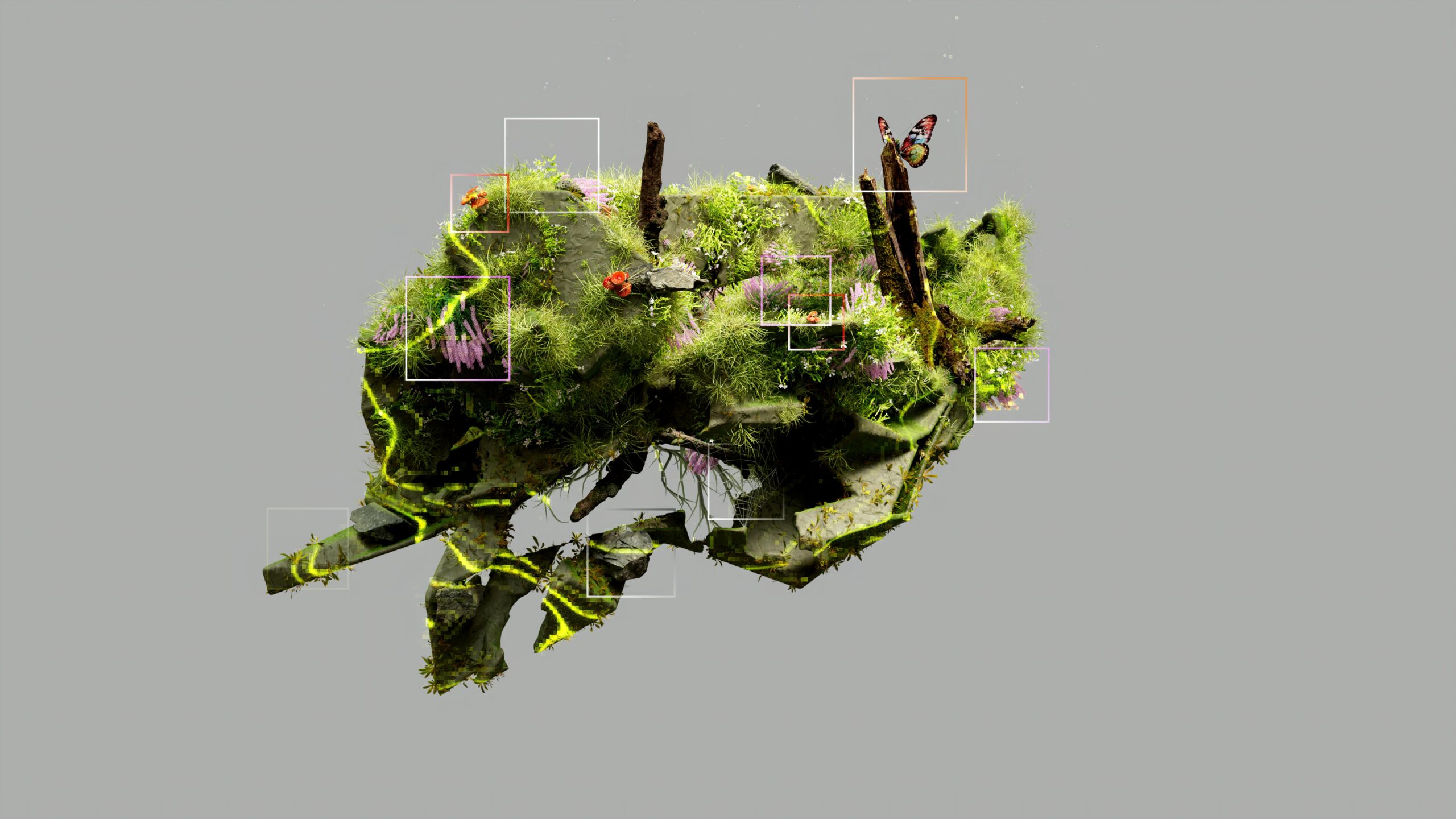
Consciousness mapping is an emerging practice that helps you visualize the architecture of your inner world, revealing pathways to authentic purpose and existential clarity.

In a world overwhelmed with external distractions and societal expectations, many people find themselves wandering through life without a clear sense of direction or purpose. The existential questions—Who am I? Why am I here? What is my true calling?—often remain unanswered, buried beneath layers of conditioning, fear, and habit. Consciousness mapping offers a revolutionary approach to self-discovery, providing a structured yet deeply personal method for exploring the depths of your being and charting a course toward meaningful existence.
This transformative practice combines ancient wisdom traditions with modern psychological insights, creating a comprehensive framework for understanding your consciousness. Unlike superficial personality assessments or quick-fix self-help solutions, consciousness mapping invites you on an intimate journey through the landscape of your psyche, emotions, beliefs, and aspirations.
🗺️ Understanding Consciousness Mapping: The Blueprint of Your Inner World
Consciousness mapping is the practice of creating a visual and conceptual representation of your mental, emotional, and spiritual terrain. Think of it as cartography for the soul—a method of surveying and documenting the various territories that comprise your subjective experience. This process helps you identify patterns, discover hidden aspects of yourself, and recognize the interconnections between different dimensions of your being.
At its core, consciousness mapping acknowledges that human awareness operates on multiple levels simultaneously. You have conscious thoughts, unconscious drives, emotional undercurrents, somatic sensations, spiritual longings, and relational dynamics all operating at once. By mapping these different dimensions, you gain a holistic understanding of yourself that transcends fragmented self-knowledge.
The practice draws from various disciplines including depth psychology, phenomenology, mindfulness meditation, and systems thinking. It recognizes that consciousness is not a static entity but a dynamic process constantly evolving through experience, reflection, and intentional development.
The Architecture of Existential Awareness: Layers of Being
Your consciousness exists in multiple layers, each contributing to your overall sense of identity and purpose. Understanding these layers is essential for effective consciousness mapping:
The Surface Layer: Social Identity represents how you present yourself to the world, including your roles, responsibilities, and social personas. This includes your professional identity, family roles, and public image. While important, this layer often conceals deeper truths about who you really are.
The Psychological Layer: Personality Patterns encompasses your habitual ways of thinking, feeling, and behaving. This includes your defense mechanisms, coping strategies, cognitive biases, and emotional tendencies developed throughout your lifetime.
The Shadow Layer: Repressed and Denied Aspects contains the parts of yourself you’ve rejected, suppressed, or refuse to acknowledge. This shadow material holds tremendous energy and often contains gifts and potentials waiting to be reclaimed.
The Core Layer: Essential Self represents your authentic nature beneath conditioning and adaptation. This is the dimension of being that transcends roles and circumstances—your fundamental essence and inherent values.
The Transcendent Layer: Connection to Something Greater involves your relationship with meaning, purpose, and what you consider sacred or ultimate. This dimension addresses your place in the larger cosmos and your sense of spiritual belonging.
✨ Beginning Your Consciousness Mapping Journey: Practical Steps
Starting your consciousness mapping practice requires commitment, curiosity, and compassion. Here are fundamental steps to initiate this transformative process:
Create a Dedicated Space for Reflection. Establish a physical and temporal container for your mapping work. This might be a quiet corner of your home, a journal dedicated to the process, or regular time blocks reserved for deep introspection. The consistency of space and time signals to your psyche that this work is important.
Begin with Present Moment Awareness. Before mapping the depths, you must first anchor in immediate experience. Practice observing your thoughts, emotions, bodily sensations, and impulses without judgment. This develops the observing capacity essential for consciousness mapping.
Document Your Inner Landscape. Use journaling, drawing, mind mapping, or other creative methods to externalize your internal experience. Write stream-of-consciousness reflections, create visual diagrams of your emotional states, or sketch symbolic representations of your psychological terrain.
Identify Recurring Patterns and Themes. As you document your consciousness over days and weeks, patterns emerge. You might notice repetitive thoughts, emotional cycles, behavioral loops, or consistent values that appear across contexts. These patterns reveal the structure of your consciousness.
Excavating Your Existential Questions: The Heart of Purpose Discovery
At the center of consciousness mapping lies existential inquiry—the practice of asking profound questions about meaning, purpose, and being. These questions serve as excavation tools, helping you dig beneath surface concerns to uncover bedrock truths about your existence.
The most powerful existential questions are open-ended and personally resonant. Rather than seeking quick answers, sit with these questions, allowing them to work on you over time. Some essential inquiries include: What brings me genuine fulfillment beyond external validation? What would I pursue if failure were impossible and judgment didn’t exist? What gifts do I have that the world needs? What legacy do I want to leave? What does a life well-lived mean to me specifically?
As you engage with these questions through consciousness mapping, resist the temptation to grasp at premature answers. The questions themselves often hold more wisdom than quick conclusions. Allow uncertainty to be present. Your authentic purpose emerges gradually as you develop relationship with these deep inquiries.
🧭 Navigating the Shadow: Integrating Rejected Parts of Self
One of the most challenging yet rewarding aspects of consciousness mapping involves exploring your shadow—those aspects of yourself you’ve disowned, rejected, or hidden from awareness. Your existential path cannot be fully illuminated while significant portions of your psyche remain in darkness.
Shadow work within consciousness mapping requires courage and self-compassion. You might discover repressed anger, hidden shame, rejected desires, or qualities you’ve judged as unacceptable. Rather than condemning these discoveries, approach them with curiosity: Why did I reject this part of myself? What might this shadow aspect be trying to communicate? How might integrating this quality serve my wholeness?
Often, your greatest gifts and your deepest purpose are intertwined with shadow material. The sensitivity you rejected might be essential for your healing work with others. The assertiveness you suppressed could be necessary for manifesting your vision. The creativity you judged as impractical might be your unique contribution to the world.
Mapping Your Values Hierarchy: The Compass for Decision-Making
Understanding your core values is essential for navigating your existential path with integrity. Values serve as your internal compass, helping you make aligned decisions and recognize opportunities that resonate with your authentic purpose.
Through consciousness mapping, you can identify and prioritize your values hierarchy. This goes beyond abstract concepts to discover what genuinely matters to you based on your lived experience and emotional responses. Notice what consistently brings you energy, fulfillment, and a sense of rightness. Observe what violations create dissonance, frustration, or loss of vitality.
Your values may include dimensions like authenticity, creativity, contribution, connection, growth, beauty, justice, freedom, or spiritual depth. The specific constellation and prioritization of values is unique to each individual. When you clearly map your values hierarchy, decision-making becomes simpler—you can evaluate choices based on alignment with what matters most to you.
💡 Recognizing Your Unique Gifts: What You Bring to the World
Your existential path involves discovering and expressing your unique gifts—those particular capacities, perspectives, and qualities that represent your distinct contribution to the larger whole. Consciousness mapping helps you identify these gifts by examining the intersection of several dimensions.
Consider where your natural talents meet your deepest values. What activities engage you so completely that you lose track of time? What comes easily to you that others find difficult? What unique perspective do you bring based on your specific life experience and way of seeing the world?
Your gifts aren’t necessarily dramatic or extraordinary by external standards. They might be subtle capacities like creating warmth in social spaces, seeing possibilities others overlook, bringing order to chaos, or holding space for emotional complexity. The key is recognizing what emerges naturally from your authentic being rather than what you think you should offer.
Identifying Energy Patterns: Where Vitality Flows and Stagnates
An often-overlooked dimension of consciousness mapping involves tracking your energy patterns. Your vitality is a reliable indicator of alignment with your existential path. When you’re moving in resonance with your authentic purpose, you generally experience sustainable energy, even when facing challenges. When you’re misaligned, chronic depletion often results.
Map your energy landscape by noticing: Which activities, relationships, and environments consistently energize you? Where does your vitality drain without corresponding fulfillment? What patterns of engagement create sustainable productivity versus burnout? When do you feel most alive, present, and engaged?
This energy mapping provides practical guidance for structuring your life in alignment with your purpose. You can gradually shift toward activities and commitments that generate vitality while minimizing or transforming those that chronically deplete you without meaningful return.
🌱 Developmental Mapping: Understanding Your Growth Edge
Consciousness mapping also involves recognizing where you are in your developmental journey. Human consciousness evolves through predictable stages, each with characteristic worldviews, capacities, and challenges. Understanding your current developmental position and growth edge helps you navigate your path with greater wisdom.
Developmental frameworks suggest that consciousness expands from egocentric to ethnocentric to worldcentric to cosmocentric perspectives—from concern primarily with self, to identification with particular groups, to care for all humanity, to recognizing your participation in the larger cosmos. Each stage includes and transcends previous stages, offering expanded awareness and capacity.
By mapping where you currently operate and what your growing edge might be, you can engage practices and experiences that support your natural evolution. You can also recognize that your purpose may shift as your consciousness develops, requiring periodic re-mapping as you grow.
Creating Your Purpose Statement: Articulating Your Existential Direction
After thoroughly mapping your consciousness across multiple dimensions, you can begin articulating a clear purpose statement—a concise expression of your existential direction. This statement serves as a north star, helping you navigate decisions and recognize opportunities aligned with your path.
An effective purpose statement typically includes three elements: who you serve, how you serve them, and what transformation results. For example: “I help creative individuals overcome self-doubt so they can share their gifts with the world.” Or: “I create beauty through sustainable design that reconnects people with the natural world.”
Your purpose statement should resonate emotionally, feeling true at a deep level. It should be specific enough to provide direction yet flexible enough to allow for evolution and expression in various forms. This articulation emerges naturally from comprehensive consciousness mapping rather than being intellectually constructed.
🔄 Living Your Mapped Purpose: From Insight to Embodiment
The ultimate value of consciousness mapping lies not in the insights themselves but in how those insights transform your lived experience. Moving from understanding to embodiment requires intentional practice and ongoing commitment.
Begin by identifying one or two concrete actions that align with your discovered purpose. These should be specific, achievable steps rather than overwhelming transformations. Perhaps you commit to a weekly practice, initiate a meaningful conversation, enroll in a relevant course, or prototype a project that expresses your gifts.
Create accountability structures that support your commitment. This might involve sharing your intentions with a trusted friend, joining a community of practice, working with a mentor or coach, or establishing regular check-ins with yourself to assess alignment and make course corrections.
Remember that living your purpose is not about achieving perfection but about increasing the percentage of your life spent in alignment with your deepest truth. Small, consistent steps compound over time into profound transformation.
Ongoing Revision: Your Map Evolves as You Do
Consciousness mapping is not a one-time activity but an ongoing practice. As you grow, encounter new experiences, and develop expanded awareness, your internal landscape shifts. What once seemed central may become peripheral. New dimensions of purpose may reveal themselves. Previously hidden aspects of your being may emerge into consciousness.
Schedule regular intervals—perhaps quarterly or annually—to revisit and revise your consciousness map. Approach these sessions with fresh eyes, curious about what has changed and what new territories have opened. This iterative process ensures your understanding of yourself remains current and your sense of purpose stays vital rather than becoming a rigid dogma.
Some changes in your map will represent genuine evolution and expansion. Others might reveal that you’ve temporarily lost connection with previously integrated truths. Both movements offer valuable information for navigating your existential path with wisdom and authenticity.

🌟 The Transformative Power of Self-Knowledge: Living with Intention
When you invest deeply in consciousness mapping, the quality of your entire life transforms. Decision-making becomes clearer because you have a reliable internal reference point. Relationships improve as you show up more authentically and attract connections aligned with your true self. Work becomes more meaningful as you orient toward contributions that express your purpose. Challenges become more navigable because you have context for understanding difficulties as part of your larger journey.
Perhaps most significantly, you develop a sense of existential peace that comes from knowing yourself deeply and living in alignment with that knowledge. This doesn’t mean life becomes problem-free, but rather that you face life’s inevitable challenges with rootedness in who you are and clarity about what matters most.
The ancient Greek aphorism “know thyself” points toward this transformative potential. Consciousness mapping provides a practical methodology for actualizing this timeless wisdom, offering contemporary tools for the eternal human quest to understand our nature and fulfill our purpose.
Your existential path awaits discovery, not as something external to be found, but as something internal to be uncovered and expressed. Through consciousness mapping, you develop the capacity to navigate life with intention, authenticity, and alignment with your deepest truth. The journey requires courage, commitment, and compassion, but the destination—a life of meaning, purpose, and genuine fulfillment—makes the exploration infinitely worthwhile. Begin today by simply asking: What does my consciousness want me to know?