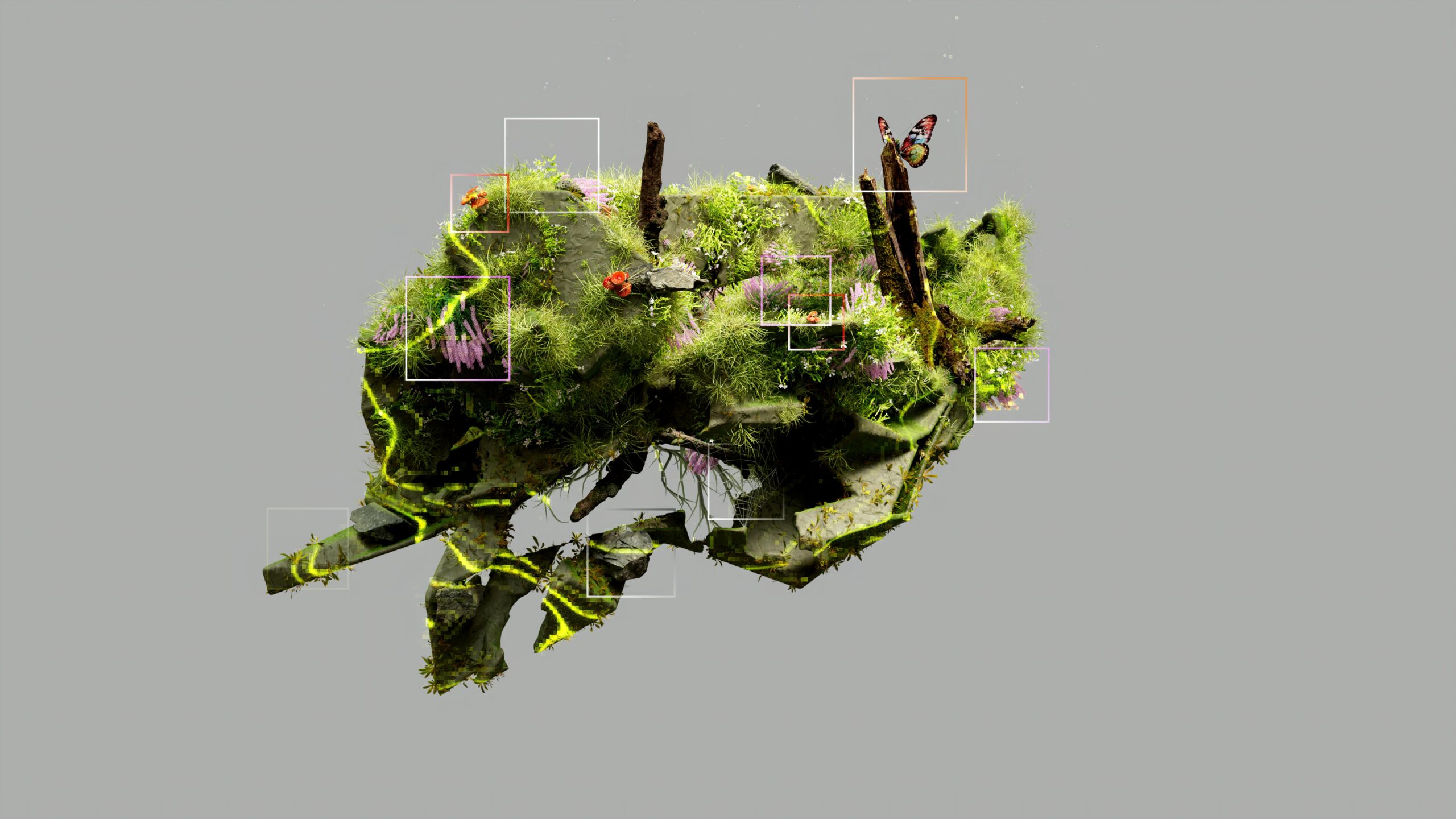
The human mind remains one of the universe’s greatest mysteries, constantly shifting between layers of perception and reality that often fracture our understanding of consciousness itself.

Every day, billions of people navigate their cognitive landscapes without questioning the fundamental structures that shape their thoughts, memories, and perceptions. Yet beneath this seemingly stable mental terrain lies a complex architecture prone to fractures—moments where our perception of reality splinters, revealing deeper truths about consciousness. These cognitive reality fractures aren’t signs of weakness or malfunction; they’re windows into the extraordinary mechanisms that construct our subjective experience.
Understanding these fractures has become increasingly vital in our modern world, where information overload, digital stimulation, and rapid societal changes constantly challenge our mental frameworks. By exploring the boundaries where our cognitive reality breaks, bends, or transforms, we gain unprecedented insight into human consciousness and unlock pathways to deeper self-awareness.
🧠 The Architecture of Cognitive Reality
Before diving into the fractures themselves, we must understand what cognitive reality actually means. Our brains don’t simply record objective reality like cameras—they actively construct a subjective experience based on sensory input, memory, expectation, and neural processing. This constructed reality is what we experience as consciousness, and it’s far more fragile and malleable than most people realize.
Neuroscientists have discovered that approximately 80% of the information used to create our visual perception comes not from our eyes but from our brain’s predictions based on past experiences. This predictive processing model explains why two people can witness the same event yet describe completely different experiences. Our cognitive reality is essentially a controlled hallucination that usually aligns well enough with the external world to keep us functional.
The human brain processes roughly 11 million bits of sensory information per second, yet our conscious mind can only handle about 40-50 bits during the same timeframe. This massive filtering process creates countless opportunities for fractures—moments where the carefully constructed narrative of reality shows its seams.
The Layers of Perception
Our cognitive reality operates on multiple simultaneous layers, each contributing to our overall experience of consciousness. The sensory layer processes raw data from our environment. The emotional layer colors this information with feelings and affective responses. The narrative layer weaves everything into a coherent story about who we are and what’s happening around us. The metacognitive layer observes and reflects on our own thinking processes.
When these layers fail to integrate smoothly, we experience cognitive reality fractures. These can range from minor glitches like déjà vu to profound experiences like dissociation or transcendent states of consciousness.
Recognizing the Fractures: When Reality Cracks Open
Cognitive reality fractures manifest in numerous ways, some subtle and others dramatically obvious. Learning to recognize these moments is the first step toward understanding and potentially utilizing them for deeper self-knowledge.
Common Fracture Phenomena 🔍
Déjà vu represents perhaps the most universally experienced cognitive fracture. That uncanny sensation of having lived through a present moment before occurs when our memory processing systems briefly misfire, creating a timestamp error that makes new experiences feel familiar. Research suggests déjà vu might occur when visual information takes two slightly different neural pathways, with one arriving just milliseconds before the other.
Dissociation creates a more profound fracture, where individuals feel disconnected from their thoughts, feelings, memories, or sense of identity. This protective mechanism can occur during trauma but also appears in various intensities during everyday stress. People describe watching themselves from outside their bodies or feeling like their actions aren’t their own.
Flow states represent positive cognitive fractures where our sense of time, self-consciousness, and effort seem to dissolve. Athletes, artists, and professionals describe entering zones where performance becomes effortless and hours pass like minutes. These experiences reveal that our normal cognitive reality—with its constant self-monitoring and temporal awareness—is just one possible configuration of consciousness.
The “overview effect” experienced by astronauts viewing Earth from space creates a profound cognitive shift. This perceptual fracture transforms understanding of humanity’s place in the cosmos, often triggering lasting changes in values and priorities. Similar shifts can occur during meditation, psychedelic experiences, or moments of profound natural beauty.
The Science Behind Mental Fractures
Modern neuroscience has begun mapping the biological mechanisms underlying cognitive reality fractures. Understanding these processes demystifies unusual mental experiences while revealing the brain’s remarkable flexibility and complexity.
Neural Networks and Default Mode Activity
The Default Mode Network (DMN) plays a crucial role in maintaining our sense of continuous self and narrative reality. This network becomes active when we’re not focused on external tasks, generating our internal monologue and self-referential thinking. Many cognitive fractures occur when the DMN’s activity is disrupted or altered.
Research using functional MRI scans shows that experiences like meditation, flow states, and certain altered states correlate with decreased DMN activity. When this network quiets down, people report feeling less separation between self and environment, experiencing reduced anxiety, and accessing novel perspectives on persistent problems.
Neurotransmitter Fluctuations
Chemical messengers in the brain significantly influence cognitive reality stability. Serotonin modulates perception and mood, with fluctuations contributing to experiences ranging from depression to mystical states. Dopamine affects motivation, reward, and pattern recognition—variations can create both paranoid pattern-finding and creative insight.
Glutamate and GABA balance excitation and inhibition across neural networks. When this balance shifts, reality perception can dramatically change. This explains why sleep deprivation, which affects neurotransmitter systems, can create fracture-like experiences including hallucinations and altered time perception.
💡 Practical Benefits of Understanding Cognitive Fractures
Recognizing and working with cognitive reality fractures offers numerous practical advantages for mental health, creativity, and personal development. Rather than viewing these experiences as problems to avoid, we can leverage them as tools for growth.
Enhanced Self-Awareness and Metacognition
When you recognize that your experience of reality is constructed rather than absolute, you gain psychological flexibility. You can question automatic thoughts and reactions, recognizing them as mental events rather than objective truths. This metacognitive awareness forms the foundation of many therapeutic approaches, including Cognitive Behavioral Therapy and mindfulness-based interventions.
People who understand cognitive fractures report better emotional regulation. When experiencing anxiety or anger, they can recognize these states as temporary configurations of consciousness rather than accurate reflections of reality. This creates space for choice in how to respond.
Creative Problem-Solving and Innovation
Many breakthrough innovations occur during cognitive fractures—moments when normal mental patterns dissolve and novel connections emerge. The relaxed focus of a long walk, the boundary dissolution of meditation, or the perspective shift of travel can all trigger creative insights by temporarily disrupting habitual thinking patterns.
Companies like Google and Apple have recognized this principle, designing workspaces that facilitate altered cognitive states through environmental variety, nature access, and spaces for contemplation. These organizations understand that rigid cognitive reality limits innovation.
Techniques for Safely Exploring Cognitive Boundaries
While understanding cognitive fractures offers benefits, exploring these boundaries requires care and appropriate methods. Here are evidence-based approaches for safely navigating altered states of consciousness.
Mindfulness Meditation Practices 🧘
Meditation provides a controlled environment for observing how consciousness constructs reality moment by moment. Regular practice reveals the gap between raw experience and our interpretations, showing how thoughts, emotions, and sensations arise and pass without being “you.”
Start with simple breath awareness for 10-15 minutes daily. Notice when your mind wanders into thoughts, and gently return attention to breathing. Over time, you’ll observe the constant flux of mental activity and the constructed nature of your narrative self. This direct experience teaches more about cognitive fractures than any theoretical knowledge.
Body scan techniques offer another entry point. Systematically directing attention through different body parts reveals how consciousness can illuminate or ignore aspects of experience. Many people discover they’ve been unconsciously holding tension for years—a fracture between awareness and physical reality.
Sensory Deprivation and Enhancement
Float tanks, also called sensory deprivation chambers, reduce external stimuli to near zero. In darkness and silence, floating in body-temperature salt water, your brain shifts into unusual states. Without external input to process, the mind reveals its inherent activity—sometimes producing vivid imagery, profound insights, or deep relaxation.
Conversely, sensory enhancement through activities like drumming circles, dance, or immersive art installations can overwhelm normal processing, creating beneficial cognitive fractures. These experiences disrupt habitual patterns and facilitate new neural connections.
Breathwork and Physiological Approaches
Controlled breathing techniques can rapidly alter consciousness by changing blood chemistry and nervous system activation. Holotropic breathwork, Wim Hof method, and various pranayama practices demonstrate how respiration directly influences mental states.
These techniques should be learned from qualified instructors, as they can produce intense experiences. However, even simple practices like box breathing (inhale for four counts, hold for four, exhale for four, hold for four) can shift awareness and reduce anxiety within minutes.
The Shadow Side: When Fractures Become Problematic ⚠️
While cognitive reality fractures offer growth opportunities, they can also indicate or trigger mental health challenges. Understanding this balance is crucial for safe exploration.
Dissociation and Trauma Responses
Chronic dissociation differs significantly from temporary, beneficial alterations in consciousness. When someone regularly feels disconnected from reality, their body, or their identity, this typically signals unresolved trauma or psychological stress. These persistent fractures serve as protective mechanisms but ultimately prevent healing and integration.
Professional support from trauma-informed therapists becomes essential when dissociative experiences interfere with daily functioning, relationships, or wellbeing. Approaches like EMDR, Somatic Experiencing, and Internal Family Systems specifically address these deeper fractures.
Psychotic Breaks and Reality Testing
Severe cognitive fractures can manifest as psychosis—losing the ability to distinguish internal experience from external reality. Conditions like schizophrenia involve persistent reality testing problems that require medical intervention. The key difference between exploratory cognitive fractures and concerning breaks lies in control, insight, and functional impact.
Healthy exploration involves voluntary entry into altered states with the ability to return to baseline functioning. You maintain some metacognitive awareness that your perception has changed. Concerning experiences lack this control and insight, potentially escalating into crisis situations requiring immediate professional help.
🌟 Integrating Fracture Experiences for Growth
The real value of cognitive fractures emerges not during the experiences themselves but in how we integrate insights afterward. Integration transforms interesting mental phenomena into lasting wisdom and behavioral change.
Journaling and Reflective Practices
Writing about unusual cognitive experiences helps externalize and process them. Describe what you perceived, felt, and thought without judgment. Look for patterns across multiple experiences. What triggers these states? What insights emerge consistently? How do they challenge your normal assumptions about reality?
Many people discover that their fracture experiences point toward values and priorities misaligned with their daily life. Someone might repeatedly experience profound peace during nature immersion but spend 90% of their time in urban environments. These recognitions can catalyze meaningful life changes.
Community and Shared Understanding
Discussing cognitive experiences with others normalizes them and provides diverse perspectives. Throughout history, humans have gathered in communities specifically to share and interpret unusual states of consciousness—from indigenous ceremonies to modern meditation groups.
Finding appropriate communities requires discernment. Healthy groups encourage individual interpretation, maintain boundaries, and emphasize integration over escapism. Problematic communities demand conformity to specific interpretations, discourage critical thinking, or promote spiritual bypassing of real-world responsibilities.
The Future of Consciousness Research
Scientific understanding of cognitive reality fractures has accelerated dramatically in recent decades. Neuroimaging technology, computational modeling, and renewed interest in consciousness studies promise even deeper insights ahead.
Research into psychedelic-assisted therapy has resumed after decades of prohibition, revealing how controlled fractures of normal consciousness can facilitate healing from treatment-resistant depression, PTSD, and addiction. These studies suggest that temporarily disrupting rigid cognitive patterns allows therapeutic reorganization of mental frameworks.
Neurotechnology developments like transcranial magnetic stimulation and neurofeedback offer non-pharmacological methods for modulating consciousness. Future applications might allow individuals to reliably access beneficial altered states for creativity, therapy, or spiritual development.
Artificial intelligence and virtual reality create new types of cognitive fractures—experiences where the boundary between real and simulated becomes genuinely ambiguous. Understanding how humans navigate these novel reality variations will become increasingly important as technology advances.

Finding Your Own Path Through the Fractures 🚪
Every individual experiences consciousness uniquely, meaning your relationship with cognitive reality fractures will differ from others. Some people naturally experience frequent spontaneous alterations, while others maintain stable perception without deliberate intervention. Neither pattern is superior—what matters is understanding your own mind and using that knowledge constructively.
Start by simply noticing moments when your normal perception shifts. This might occur during transitions between sleep and waking, during intense exercise, while absorbed in creative work, or in moments of natural beauty. Rather than dismissing these experiences as random mental noise, treat them as data about how your consciousness operates.
Experiment cautiously with practices that gently alter awareness—meditation, breathwork, or new environmental contexts. Observe what happens without forcing specific outcomes. The goal isn’t to achieve exotic states but to develop intimate familiarity with your own mind’s flexibility and range.
Remember that cognitive reality fractures aren’t destinations but doorways. The altered state itself matters less than what it reveals about the constructed nature of all experience and the profound possibility space of human consciousness. By learning to navigate these fractures skillfully, you unlock deeper understanding not just of your mind but of the fundamental mystery of awareness itself.
The journey through cognitive reality fractures ultimately leads to a paradoxical destination: the recognition that there is nowhere to arrive. Our normal state of consciousness is itself just another configuration—no more “real” or “correct” than the alternatives we glimpse during fractures. This realization liberates us from rigid identification with any single perspective, opening possibilities for continuous growth, adaptation, and deepening wisdom throughout life.