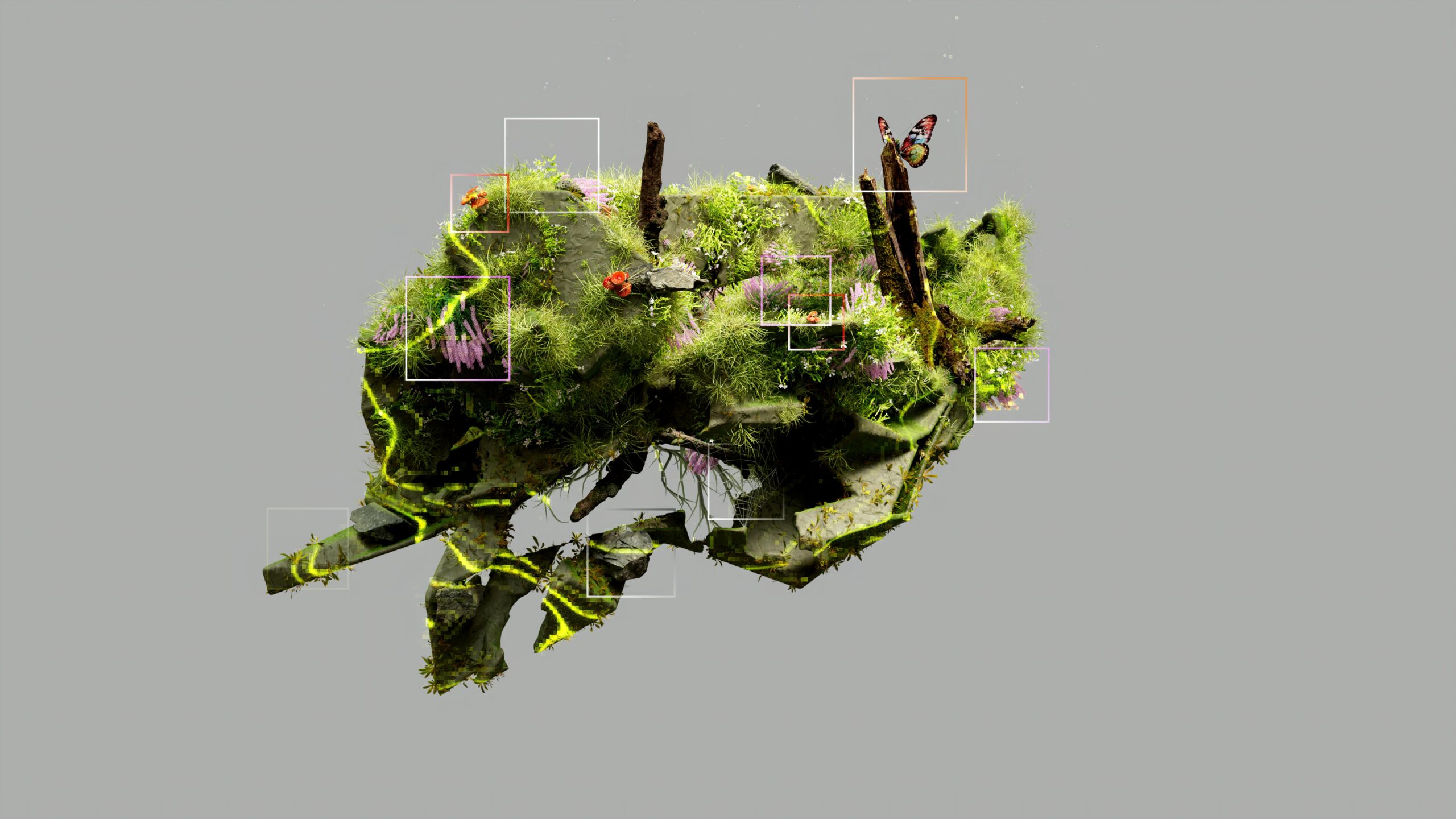
In our fast-paced world, sensory mindfulness offers a powerful gateway to deeper relaxation, enhanced focus, and profound connection with the present moment.

We’re constantly bombarded with information, notifications, and demands on our attention. Our minds race from one thought to another, rarely settling long enough to experience what’s actually happening right now. This mental noise creates stress, anxiety, and a persistent feeling of being disconnected from ourselves and our surroundings.
Sensory mindfulness techniques provide an antidote to this modern predicament. By deliberately tuning into our five senses—sight, sound, touch, taste, and smell—we anchor ourselves firmly in the present moment. This practice not only reduces stress but also sharpens our cognitive abilities, improves emotional regulation, and enhances our overall quality of life.
🧠 Understanding the Science Behind Sensory Awareness
When we engage our senses mindfully, we activate specific regions of the brain associated with attention, emotional processing, and memory. The prefrontal cortex, responsible for executive functions and decision-making, becomes more engaged while the amygdala—our brain’s alarm system—calms down.
Neuroscience research has demonstrated that sensory-focused meditation practices can literally reshape our brain structure through neuroplasticity. Regular practitioners show increased gray matter density in areas related to learning, memory, and emotional regulation. The hippocampus, crucial for memory formation, actually grows larger with consistent mindfulness practice.
This biological transformation explains why sensory mindfulness doesn’t just feel good in the moment—it creates lasting changes in how we experience and respond to the world around us. Our nervous system learns to default to a calmer, more regulated state rather than constantly operating in fight-or-flight mode.
👁️ Visual Mindfulness: Training Your Eyes to Really See
Most of us look at things without truly seeing them. Our brains process visual information automatically, filtering out details to conserve energy. Visual mindfulness reverses this process, inviting us to observe with fresh eyes and genuine curiosity.
Start with something simple in your environment—a plant, a piece of fruit, or even your own hand. Spend three to five minutes examining it as if you’ve never seen it before. Notice colors, textures, patterns, shadows, and how light interacts with surfaces. Observe without labeling or judging, simply witnessing the visual information.
This practice develops what Zen Buddhists call “beginner’s mind”—approaching familiar things with openness and wonder. You’ll discover details you’ve overlooked for years, even in the most ordinary objects. A simple leaf becomes a masterpiece of natural engineering, with intricate vein patterns and subtle color gradations.
Practical Visual Mindfulness Exercises
- Cloud watching: Observe clouds without identifying shapes, simply noticing their movement, density, and transformation
- Color bathing: Choose one color and spend your day noticing every instance of it in your environment
- Candlelight meditation: Focus on a candle flame, observing its movement, color variations, and dancing patterns
- Nature observation: Spend time watching a tree, noticing how leaves move, how branches sway, and how light filters through
- Art contemplation: Sit with a painting or photograph for ten minutes, exploring every detail without interpretation
👂 Auditory Awareness: Tuning Into the Symphony of Sound
Our auditory environment constantly changes, yet we typically filter out most sounds as background noise. Sound mindfulness transforms listening into an active, enriching practice that grounds us in the present moment and reveals the acoustic richness surrounding us.
The beauty of auditory mindfulness lies in its accessibility—you can practice anywhere, anytime. Whether you’re in a bustling city or quiet countryside, there’s always a soundscape to explore. The key is shifting from selective hearing to open awareness, welcoming all sounds without preference.
Begin by sitting comfortably and closing your eyes. Instead of trying to identify sounds, simply notice them as pure sensation. Observe volume, pitch, duration, and direction. Notice how sounds arise, persist, and fade away. Some sounds will be pleasant, others irritating—practice accepting them all without resistance.
Sound Meditation Techniques for Deep Focus
One powerful technique involves layering your auditory awareness. Start by noticing the most distant sounds you can detect—perhaps traffic, birds, or wind. Then bring your attention to mid-range sounds in the next room or outside your window. Finally, focus on the closest sounds—your own breathing, the subtle noises of your body, the rustle of clothing.
Another approach uses specific sounds as anchors. Listening to rain, ocean waves, or singing bowls provides a consistent auditory focus that naturally quiets mental chatter. Apps specializing in soundscapes can support this practice, offering everything from binaural beats to forest ambience.
✋ Tactile Mindfulness: Awakening Your Sense of Touch
Touch might be our most underutilized sense in mindfulness practice, yet it offers profound possibilities for grounding and relaxation. Our skin is our largest organ, packed with receptors providing constant information about temperature, pressure, texture, and movement.
Tactile mindfulness brings conscious attention to these sensations. You might feel the weight of your body against your chair, the temperature of air on your skin, the texture of fabric against your arms, or the subtle tingling sensation in your fingertips.
Start with a deliberate touch exploration. Select an object with interesting texture—a stone, piece of bark, fabric, or even food. Close your eyes and spend several minutes exploring it solely through touch. Notice temperature, weight, surface texture, how it responds to pressure, and any changes as you handle it.
Body Scan: The Ultimate Touch Meditation
The body scan represents one of the most effective touch-based mindfulness practices. Lying down comfortably, you systematically bring attention to each part of your body, from toes to head, noticing whatever sensations arise without trying to change them.
This practice accomplishes multiple goals simultaneously. It develops interoception—awareness of internal body sensations. It releases unconscious physical tension as you notice and acknowledge areas of tightness. And it trains your attention, strengthening your ability to direct and sustain focus where you choose.
Regular body scanning improves sleep quality, reduces chronic pain perception, and increases overall body awareness. Athletes use it for performance enhancement, while chronic pain patients find relief through changing their relationship with uncomfortable sensations.
👃 Olfactory Mindfulness: The Forgotten Sense
Smell connects directly to our limbic system, the brain region governing emotions and memory. This explains why certain scents instantly transport us to specific moments or trigger powerful emotional responses. Olfactory mindfulness harnesses this unique connection for relaxation and mental clarity.
Unlike other senses, smell fatigue occurs quickly—we stop noticing scents after continuous exposure. This makes scent-based mindfulness particularly interesting, as it requires bringing fresh attention to an ever-changing olfactory landscape.
Practice smell meditation by simply noticing scents throughout your day. When eating, inhale before taking a bite. When walking, notice how air smells different in sun versus shade, near flowers versus pavement. When meeting someone, notice their unique scent without judgment.
Aromatherapy Meets Mindfulness 🌿
Certain scents naturally support specific mental states. Lavender promotes relaxation and sleep. Peppermint enhances alertness and focus. Citrus uplifts mood. Sandalwood grounds and centers. Rosemary improves memory and concentration.
Combine aromatherapy with mindfulness by using essential oils intentionally. Before meditation, apply a grounding scent and spend a minute fully experiencing it. Throughout your day, return to that scent as an anchor, taking three conscious breaths whenever you notice it.
| Scent | Primary Benefit | Best Used For |
|---|---|---|
| Lavender | Relaxation | Evening wind-down, stress relief |
| Peppermint | Alertness | Morning routine, afternoon slump |
| Eucalyptus | Clarity | Mental fog, respiratory issues |
| Frankincense | Centering | Meditation, spiritual practice |
| Orange | Mood elevation | Depression, low energy |
👅 Mindful Eating: Taste as Meditation
We often eat while distracted—working, watching screens, or thinking about something else entirely. This disconnection from the eating experience diminishes enjoyment and contributes to overeating, digestive issues, and an unhealthy relationship with food.
Taste mindfulness transforms eating into meditation. The classic exercise involves eating a single raisin over five minutes, but you can apply this approach to any food. The practice develops appreciation, slows consumption, improves digestion, and naturally reduces overeating.
Begin with the visual aspect—really seeing your food’s colors and shapes. Notice aromas before tasting. Place food in your mouth without immediately chewing, exploring texture and temperature. Then chew slowly, noticing how flavors evolve, how texture changes, and when you naturally feel ready to swallow.
The Five-Sense Eating Experience
A complete mindful eating practice engages all five senses simultaneously. Notice the sound of crunching, the visual appeal of your meal’s presentation, the scent rising from the plate, the texture against your tongue, and the complex flavor profile developing as you chew.
This approach reveals how much we miss during typical meals. A simple apple becomes a multisensory experience—the snap as you bite through skin, the rush of juice and flavor, the grainy texture of flesh, the sweet-tart taste evolution, the fresh scent released with each bite.
⚡ Integrating Multi-Sensory Mindfulness Into Daily Life
The real power of sensory mindfulness emerges when you weave it throughout your day rather than confining it to formal practice sessions. Any moment becomes an opportunity to drop into present-moment awareness through your senses.
While showering, feel water temperature and pressure against your skin, hear its sound, see steam rising, smell your soap or shampoo. During your commute, notice visual details you typically overlook, hear the symphony of ambient sounds, feel the vibration of movement.
These micro-practices accumulate, gradually shifting your default mode from automatic pilot to conscious presence. You’ll find yourself naturally noticing sensory details, spontaneously dropping into awareness throughout your day.
Creating Sensory Anchors for Instant Calm
Develop personal sensory anchors—specific sensations you can return to whenever you need grounding. This might be feeling your feet against the floor, noticing your breath moving through your nostrils, or pressing your fingertips together.
Practice your anchor during calm moments so it becomes familiar and accessible. Then, when stress or overwhelm arises, you can instantly activate this anchor, bringing yourself back to centered awareness within seconds.
🎯 Advanced Techniques: Combining Senses for Peak Performance
Once comfortable with individual sense awareness, experiment with multi-sensory integration. This advanced practice simultaneously tracks multiple senses, dramatically deepening present-moment awareness and enhancing both relaxation and focus.
Try the 5-4-3-2-1 technique, particularly effective for anxiety relief. Identify five things you can see, four things you can touch, three things you can hear, two things you can smell, and one thing you can taste. This rapid sensory tour interrupts rumination and grounds you firmly in the present.
For extended practice, maintain open awareness of all senses simultaneously. Notice visual input without focusing on any particular object. Hear sounds without identifying them. Feel bodily sensations without analyzing them. This panoramic awareness cultivates a spacious, peaceful mental state highly conducive to both creativity and problem-solving.
🌟 Transforming Your Relationship With Experience
Sensory mindfulness fundamentally changes how you relate to your experience. Instead of constantly living in thoughts about the past or future, you inhabit your actual life as it unfolds moment by moment. This shift might sound subtle, but its effects prove profound.
Colors appear more vivid. Food tastes richer. Music moves you more deeply. Conversations become more engaging. Simple pleasures—feeling sunshine on your skin, hearing birds sing, noticing a flower’s beauty—provide genuine satisfaction rather than going unnoticed.
This enhanced appreciation doesn’t require changing your circumstances. The same life becomes infinitely richer when you’re actually present for it. You discover that much of what you’ve been seeking externally—peace, contentment, aliveness—is available right now through your senses.
💪 Building Your Personal Practice
Starting a sensory mindfulness practice doesn’t require special equipment, apps, or training. Your senses are always available, making this the most accessible form of meditation. However, structure helps establish consistency.
Begin with five minutes daily, focusing on one sense per session. Monday might be visual awareness day, Tuesday auditory, and so forth. This rotation develops balanced sensory attention while keeping practice fresh and interesting.
Track your practice without judgment. Notice patterns—which senses naturally engage you, which require more effort, how practice affects your mood and focus. This awareness helps you customize your approach based on your unique tendencies and needs.
Consider joining a mindfulness community or using guided meditations initially. Apps offering sensory-focused practices can provide structure and variety, especially when establishing your routine.

🌈 Your Senses: Gateways to Peace and Presence
Sensory mindfulness techniques offer a practical, immediate path to the relaxation and focus our overstimulated minds desperately need. By returning attention to direct sensory experience, we step out of mental narratives and into the richness of right now.
This practice requires no beliefs, special abilities, or perfect conditions. Your senses work whether you’re stressed or calm, busy or relaxed, alone or surrounded by others. They provide constant opportunities to wake up from autopilot and experience your life fully.
The transformation happens gradually through consistent practice. Each moment of sensory awareness strengthens neural pathways supporting presence and calm. Over time, this present-moment orientation becomes your natural state rather than something you must effort to achieve.
Start today with whatever sense calls to you. Notice three sounds around you right now. Really see the colors on your screen. Feel your breath moving through your body. These simple acts of attention plant seeds that grow into profound changes in how you experience everything.
Your senses are always broadcasting the present moment. The only question is whether you’re tuning in to receive their message. Choose presence. Choose awareness. Choose to unlock the extraordinary ordinary experience happening right now through your magnificent sensory system. 🌟