Our brains constantly merge raw sensory data with perception to create the reality we experience every day—a process more powerful than you might imagine.

🧠 The Hidden Dance Between Your Senses and Mind
Every moment of your waking life involves an intricate ballet between sensation and perception. When you bite into a crisp apple, feel the warmth of sunlight on your skin, or recognize a familiar face in a crowd, you’re witnessing the remarkable integration of two distinct neurological processes working in perfect harmony.
Sensation refers to the raw data your sensory organs collect from the environment—photons hitting your retina, air molecules vibrating your eardrums, chemicals binding to taste receptors. Perception, on the other hand, is your brain’s interpretation of that data, filtered through memories, expectations, emotions, and cultural context.
This distinction might seem academic, but understanding sensation-perception integration opens doors to enhancing nearly every aspect of human experience, from athletic performance to emotional wellbeing, from learning efficiency to creative expression.
The Neuroscience Behind Integrated Experience
Modern neuroscience has revealed that sensation-perception integration isn’t a simple linear process. Rather than sensory information flowing one way from organs to brain, we now know that perception actively shapes what we sense through top-down processing.
Your brain makes predictions about incoming sensory data based on past experiences, then compares these predictions with actual sensory input. This predictive processing happens continuously and largely unconsciously, allowing you to navigate complex environments efficiently.
The thalamus acts as a relay station, routing sensory information to appropriate cortical regions. The primary sensory cortices—visual, auditory, somatosensory—process specific sensory modalities. But integration happens in association areas where different sensory streams converge, creating unified multisensory experiences.
Cross-Modal Sensory Enhancement
One of the most fascinating aspects of sensation-perception integration is cross-modal interaction—when one sense influences another. Research demonstrates that what you see can change what you hear, what you touch can alter what you taste, and so on.
The famous McGurk effect illustrates this perfectly: when you watch someone mouth one syllable while hearing a different syllable, your brain often perceives a third, compromise sound. This isn’t a failure of perception—it’s evidence of sophisticated integration designed to give you the most accurate interpretation of reality.
Sound can enhance visual perception, making you detect visual stimuli faster and more accurately. Touch influences taste perception so profoundly that the weight of cutlery, texture of plates, and even ambient temperature measurably change flavor experiences.
🎯 Practical Applications: Optimizing Your Sensory Experience
Understanding sensation-perception integration isn’t just intellectually interesting—it provides actionable strategies for enhancing daily life. By consciously working with these natural processes, you can sharpen attention, improve learning, manage pain, and even alter emotional states.
Multisensory Learning Strategies
Educational neuroscience has confirmed what effective teachers have long known: engaging multiple senses simultaneously creates stronger, more durable memories. When you read information while hearing it explained and physically interacting with related materials, different brain regions activate and interconnect, building robust neural networks.
Students who incorporate visual diagrams, verbal explanations, physical gestures, and even relevant scents while studying demonstrate significantly better retention than those using single-modality approaches. The brain’s integrated nature means that more sensory pathways lead to the same information, creating redundancy that strengthens memory.
- Combine reading with speaking information aloud to engage both visual and auditory processing
- Use physical movement or gestures while learning new concepts to incorporate motor memory
- Create visual mind maps that organize information spatially, leveraging visual-spatial integration
- Study in environments with distinctive sensory characteristics that can serve as retrieval cues
- Utilize background music strategically to enhance focus without overwhelming cognitive resources
Athletic Performance Through Sensory Optimization
Elite athletes naturally develop exceptional sensation-perception integration in their domains. A tennis player doesn’t consciously calculate ball trajectory—integrated perceptual systems automatically guide movement. But this integration can be deliberately trained and enhanced.
Visualization techniques work because your brain’s motor planning regions activate during imagined movement nearly as they do during actual movement. By mentally rehearsing with vivid multisensory detail—imagining not just visual elements but also sounds, physical sensations, even smells of the competitive environment—athletes strengthen the neural pathways used in actual performance.
Proprioception training, which enhances awareness of body position and movement, directly improves sensation-perception integration for physical activities. Balance exercises, blindfolded movements, and varied terrain training all challenge your brain to integrate sensory information more efficiently.
Managing Pain Through Perceptual Modulation
Pain perception demonstrates how powerfully top-down processing influences sensation. The same physical stimulus can be experienced as excruciating or merely uncomfortable depending on psychological context, attention, expectations, and emotional state.
Chronic pain conditions often involve maladaptive sensation-perception integration where the nervous system becomes hypersensitized, perceiving threat and pain from stimuli that shouldn’t hurt. Understanding this opens therapeutic possibilities beyond pharmaceutical intervention.
Mindfulness meditation practices train attention regulation, allowing practitioners to observe pain sensations without the additional suffering created by emotional reactivity and catastrophic thinking. By decoupling the raw sensation from negative perceptual elaboration, the subjective experience of pain diminishes measurably.
Distraction techniques work by redirecting limited attentional resources away from pain signals. Virtual reality applications for pain management leverage this principle, creating immersive multisensory environments that effectively compete with pain perception for cognitive processing.
The Mirror Visual Feedback Revolution
Mirror therapy for phantom limb pain elegantly demonstrates sensation-perception integration principles. By watching a mirror reflection of their intact limb while moving it, amputees can reduce or eliminate phantom pain. The visual input integrates with proprioceptive and motor systems, helping reorganize maladaptive neural patterns.
This same principle extends to stroke rehabilitation, where mirror therapy helps restore motor function by reinforcing integrated sensorimotor pathways through visual feedback.
🎨 Enhancing Creativity Through Sensory Awareness
Creativity flourishes when you access rich sensory information and perceive novel connections between disparate inputs. Artists, musicians, chefs, and inventors across domains report that heightened sensory awareness fuels creative insight.
Synesthesia—the neurological condition where stimulation of one sense automatically triggers another, like seeing colors when hearing music—demonstrates extreme sensation-perception integration. While genuine synesthesia is relatively rare, you can cultivate cross-modal awareness that enhances creative thinking.
Deliberately practicing cross-sensory metaphors strengthens integrative thinking. Describing music in visual terms, translating visual art into movement, or representing abstract concepts through taste and smell exercises the neural networks connecting different sensory modalities.
Environmental Design for Enhanced Experience
Understanding sensation-perception integration transforms how we design spaces. Restaurants carefully orchestrate lighting, music, temperature, scents, and spatial arrangement because these elements integrate to profoundly influence taste perception and dining satisfaction.
Your work environment’s sensory characteristics measurably impact productivity and wellbeing. Natural light exposure regulates circadian rhythms and mood. Background sound levels affect concentration differently for different tasks. Temperature influences cognitive performance. Even subtle scents can enhance alertness or promote relaxation.
Optimizing your personal spaces requires attention to multisensory integration. Consider not just individual elements but how they combine to create unified experiential effects.
Technology-Assisted Sensory Enhancement
Emerging technologies offer unprecedented opportunities to augment and optimize sensation-perception integration. From biofeedback devices that make invisible physiological processes perceptible to augmented reality systems that overlay digital information onto physical environments, technology increasingly mediates human sensory experience.
Neurofeedback training allows people to perceive and modify their own brain activity patterns, essentially extending perception to include direct awareness of neural states. Initial applications focused on treating ADHD and anxiety, but the technology increasingly serves performance enhancement for healthy individuals.
Haptic technologies translate visual or auditory information into touch sensations, enabling new forms of sensory substitution. Visual information can be conveyed through tactile patterns on the skin, allowing blind individuals to “see” through touch, or enabling new information channels that don’t overload existing senses.
Meditation Apps and Mindfulness Technology
Digital tools for meditation and mindfulness training specifically target sensation-perception integration by cultivating present-moment sensory awareness. By systematically directing attention to breath, body sensations, sounds, and other immediate sensory experiences, these practices strengthen the neural circuits involved in conscious perception.
Quality meditation applications provide structured guidance for developing interoceptive awareness—perception of internal body states—which research links to emotional regulation, decision-making, and mental health.
🌟 The Future of Sensation-Perception Science
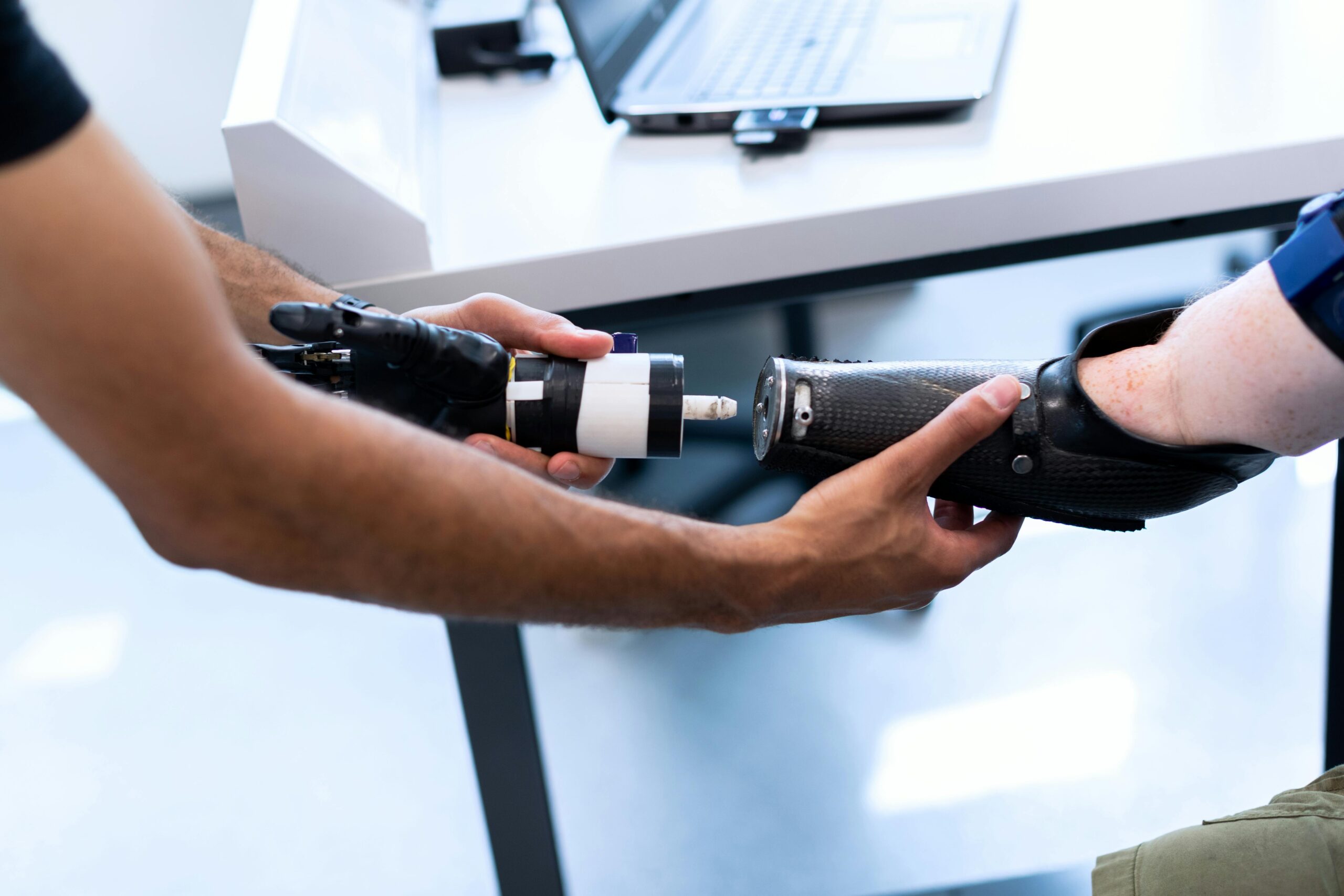
Research frontiers in sensation-perception integration promise transformative applications. Brain-computer interfaces already allow direct neural control of external devices, bypassing traditional sensory and motor pathways. As these technologies mature, the boundary between internal perception and external sensation will increasingly blur.
Optogenetics enables precise control of specific neural populations using light, allowing researchers to manipulate perceptual experiences with unprecedented specificity. While current applications remain primarily experimental, therapeutic possibilities for perceptual disorders are vast.
Artificial intelligence systems that analyze multimodal sensory data increasingly approximate human sensation-perception integration. Understanding how biological brains accomplish this integration informs AI development, while AI models generate testable hypotheses about neural mechanisms.
Personalized Sensory Optimization
Individual differences in sensation-perception integration are substantial. Sensory processing sensitivity varies across the population, with some people naturally more attuned to subtle environmental stimuli while others require stronger signals for detection.
Genetic factors, developmental experiences, current emotional states, and learned patterns all influence how your nervous system integrates sensory information. Future applications will likely offer personalized recommendations for optimizing your unique sensory profile.
Wearable sensors that continuously monitor physiological states, environmental conditions, and behavioral patterns could provide real-time feedback for optimizing sensation-perception integration across contexts—suggesting when to seek stimulation versus quiet, movement versus stillness, social interaction versus solitude.
Cultivating Mindful Awareness: The Foundation of Integration
Despite technological advances, the most accessible and powerful tool for enhancing sensation-perception integration remains the ancient practice of mindful awareness. By systematically training attention to rest on present-moment sensory experience without judgment, you strengthen the neural systems underlying conscious perception.
Regular mindfulness practice measurably changes brain structure and function. The prefrontal cortex regions involved in attention regulation grow denser. The amygdala, associated with stress reactivity, shows reduced activity. Connectivity between sensory processing regions and higher-order integration areas strengthens.
These neural changes translate into experiential benefits: enhanced sensory clarity, reduced habitual reactivity, greater emotional balance, and improved capacity to perceive subtle distinctions in internal and external environments.
Simple Practices for Daily Integration
You don’t need elaborate technology or extensive training to begin optimizing sensation-perception integration. Simple daily practices can yield meaningful improvements in experiential quality.
- Spend five minutes daily engaged in pure sensory observation—notice sights, sounds, smells, tastes, and tactile sensations without labeling or judging
- Practice eating one meal per week with complete attention to the multisensory experience of flavor, texture, temperature, and aroma
- Take brief movement breaks throughout the day, focusing awareness on proprioceptive and kinesthetic sensations
- Create a regular sleep schedule that respects your circadian rhythms, optimizing sensory processing through adequate rest
- Limit sensory overload by periodically disconnecting from digital devices and seeking natural environments
💡 Integrating Knowledge Into Experience
Understanding the science of sensation-perception integration offers intellectual satisfaction, but true value emerges through application. The gap between knowing about these processes and experiencing their optimization requires intentional practice and sustained attention.
Your nervous system’s plasticity means that how you habitually direct attention literally shapes brain structure. By consistently choosing to engage with sensory experience more fully and consciously, you progressively enhance your integrative capacity.
This isn’t about achieving some perfect state of awareness or sensory acuity. Rather, it’s about developing a more intimate, flexible relationship with the constant stream of sensation and perception that constitutes your lived experience.
Small improvements in sensation-perception integration compound over time, gradually enriching every aspect of life. Food tastes more vibrant, music sounds more nuanced, physical movement feels more fluid, emotional awareness deepens, and creative insights emerge more readily.
Embracing Your Enhanced Reality
The cutting-edge science of sensation-perception integration reveals something simultaneously humbling and empowering: reality as you experience it is actively constructed by your nervous system, not passively received. This construction process is sophisticated, usually accurate, but also flexible and trainable.
By understanding the principles underlying this integration—multisensory convergence, predictive processing, top-down modulation, and attentional selection—you gain leverage points for enhancement. Whether your goals involve learning efficiency, athletic performance, pain management, creative expression, or simply richer daily experience, optimizing sensation-perception integration offers practical pathways forward.
The journey toward enhanced integration begins with curiosity about your own experience, willingness to experiment with different approaches, and patience as neural changes gradually manifest. Your sensory world contains far more richness than habitual perception typically reveals. By applying these scientific insights, you can progressively unlock deeper, more nuanced engagement with every moment.
Start where you are, with whatever aspect of sensation-perception integration most resonates with your current needs and interests. The principles are universal, but their application is necessarily personal. Your enhanced reality awaits your conscious participation in its creation.