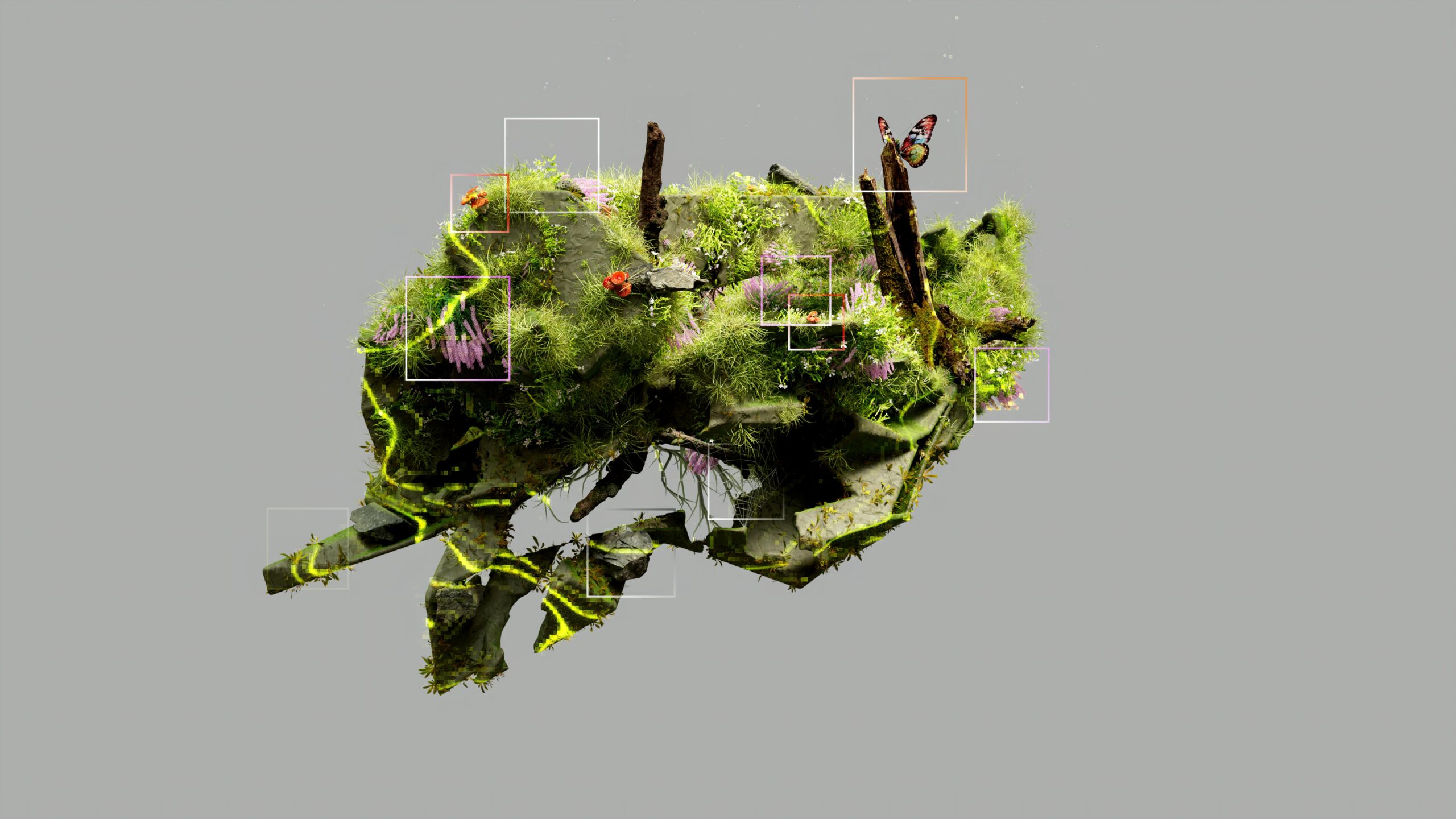
In a world overflowing with distractions, sensory presence studies offer a transformative path toward deeper awareness, helping you reconnect authentically with the world around you.

🌿 Understanding Sensory Presence: More Than Just Being There
Sensory presence represents a state of heightened awareness where you actively engage all five senses to experience your environment fully. Unlike passive observation, this practice demands conscious attention to the sights, sounds, textures, scents, and tastes that constantly surround us yet often go unnoticed in our fast-paced lives.
Research in cognitive psychology and mindfulness studies has demonstrated that cultivating sensory presence can significantly reduce stress, enhance memory formation, and improve overall mental well-being. When we truly immerse ourselves in the present moment through our senses, we create neural pathways that strengthen our capacity for focus and emotional regulation.
The foundation of sensory presence studies lies in the understanding that our brains process approximately 11 million bits of sensory information every second, yet our conscious minds can only handle about 40 bits. By training ourselves to expand this conscious awareness, we unlock richer, more meaningful experiences in everyday life.
The Science Behind Sensory Immersion and Neural Connectivity
Neuroscientific research has revealed fascinating insights into how sensory engagement affects brain function. When we practice sensory presence, we activate multiple brain regions simultaneously, creating what researchers call “cross-modal processing.” This integration strengthens the connections between different sensory cortices, leading to enhanced perceptual abilities and improved cognitive flexibility.
Studies using functional magnetic resonance imaging (fMRI) have shown that individuals who regularly practice sensory awareness demonstrate increased gray matter density in areas associated with attention, emotional processing, and self-awareness. These structural changes translate into tangible benefits in daily life, from better decision-making to improved interpersonal relationships.
The default mode network, a brain system associated with mind-wandering and self-referential thinking, shows reduced activity during sensory presence practices. This reduction correlates with decreased anxiety and rumination, explaining why sensory immersion feels so calming and centering for practitioners.
How Sensory Engagement Rewires Your Brain for Better Living
The neuroplasticity triggered by consistent sensory practice creates lasting changes in how we perceive and interact with our environment. This rewiring process doesn’t happen overnight, but even short daily sessions of five to ten minutes can initiate measurable improvements in attentional control and emotional resilience.
When we engage our senses deliberately, we stimulate the release of neurotransmitters like dopamine and serotonin, which contribute to feelings of satisfaction and well-being. This biochemical response reinforces the practice, making it easier to maintain over time and creating a positive feedback loop that supports mental health.
🎯 Practical Techniques for Developing Sensory Awareness
Developing sensory presence doesn’t require specialized equipment or extensive training. The beauty of this practice lies in its accessibility—you can begin wherever you are, using whatever surroundings you currently occupy. The key is approaching familiar environments with fresh curiosity and intentional attention.
The Five-Sense Grounding Exercise
This foundational technique serves as an entry point for sensory presence practice. Begin by identifying five things you can see, consciously noting their colors, shapes, and spatial relationships. Progress to four things you can physically touch, paying attention to texture, temperature, and weight. Continue with three things you can hear, two things you can smell, and one thing you can taste.
This structured approach provides a systematic way to anchor your awareness in the present moment. Many practitioners report that this exercise becomes increasingly rich with repetition, as they discover subtler sensory information they previously overlooked.
Micro-Sensing Sessions Throughout Your Day
Rather than setting aside large blocks of time, integrate brief sensory check-ins throughout your daily routine. While waiting for your coffee to brew, fully engage with the aroma and the sound of percolating water. During your commute, notice the play of light through windows or the rhythm of your footsteps. These micro-sessions accumulate into significant sensory training over weeks and months.
The advantage of this distributed practice approach lies in its sustainability. Brief, frequent engagements with sensory presence are more likely to become habitual than lengthy sessions that feel burdensome or difficult to schedule consistently.
Creating Sensory-Rich Environments for Enhanced Connection
Your physical environment significantly influences your capacity for sensory presence. By intentionally designing spaces that engage multiple senses, you create natural opportunities for deeper awareness without requiring additional effort or discipline.
Consider incorporating elements that stimulate different sensory modalities: plants that offer visual beauty and distinctive scents, textured fabrics that invite tactile exploration, wind chimes or water features that provide ambient soundscapes, and natural materials like wood or stone that offer varied tactile experiences.
The Role of Natural Elements in Sensory Awakening 🌱
Biophilic design principles recognize the human need for connection with natural elements. Research consistently shows that environments incorporating natural features—whether living plants, natural light, or organic materials—facilitate easier sensory engagement and promote psychological restoration.
Even urban dwellers can benefit from strategic incorporation of natural elements. A small herb garden on a windowsill provides visual interest, pleasant scents, and tactile engagement. Opening windows to allow natural soundscapes and fresh air creates a more sensory-rich environment than sealed, climate-controlled spaces.
Sensory Presence in Digital Age: Navigating Modern Challenges
The digital revolution has created unprecedented challenges for sensory presence. Screen-based activities demand visual attention while largely ignoring other senses, creating a sensory imbalance that can lead to disconnection from our physical environment and bodily experience.
However, technology needn’t be entirely antagonistic to sensory awareness. Certain applications and digital tools can support sensory presence practices when used intentionally. Meditation apps that guide sensory awareness exercises, nature sound applications that enrich your acoustic environment, and reminder tools that prompt sensory check-ins can complement traditional practices.
The key lies in establishing boundaries that prevent technology from dominating your sensory landscape. Designate tech-free zones in your home where sensory presence takes priority, and schedule regular digital detox periods to recalibrate your relationship with screens and reconnect with unmediated sensory experience.
Balancing Digital Convenience with Sensory Richness
Creating this balance requires conscious choice-making about when digital tools serve your well-being and when they detract from it. Before reaching for your phone during a quiet moment, pause and ask whether this choice will enhance or diminish your sensory connection with your current environment.
Many practitioners find that reducing smartphone usage during transitional moments—waking up, commuting, eating meals—creates valuable opportunities for sensory presence that were previously consumed by screen time. These recovered moments become portals to deeper environmental connection.
🧘 Integrating Sensory Presence with Mindfulness Practices
While sensory presence shares foundations with mindfulness meditation, it offers a distinct emphasis on external environmental awareness rather than purely internal observation. This outward focus makes it particularly accessible for individuals who struggle with traditional meditation’s inward orientation.
Combining sensory presence techniques with established mindfulness practices creates a comprehensive awareness training program. You might begin meditation sessions with sensory grounding, use sensory awareness as an anchor when thoughts wander, or conclude practice by consciously re-engaging with your environment through your senses.
Body-Based Awareness and Sensory Integration
The body serves as the interface between internal experience and external environment, making somatic awareness essential to sensory presence. Practices like body scanning, conscious movement, and breath awareness complement external sensory focus by cultivating sensitivity to internal sensory information.
This integration creates a more complete picture of present-moment experience, encompassing both the external landscape and your body’s response to it. Over time, this dual awareness reveals the continuous dialogue between yourself and your surroundings, deepening your sense of interconnection.
Measuring Progress: What Deeper Connection Actually Feels Like
Unlike practices with quantifiable metrics, sensory presence development manifests through qualitative shifts in lived experience. You may notice colors appearing more vibrant, familiar spaces revealing previously unnoticed details, or a general sense of richness in everyday moments that once felt mundane.
Many practitioners report enhanced appreciation for simple pleasures: the warmth of sunlight on skin, the complexity of flavors in home-cooked meals, the intricate patterns in tree bark. These aren’t new phenomena but rather previously overlooked aspects of experience that sensory presence brings into conscious awareness.
Emotional indicators also signal progress. Increased feelings of gratitude, reduced reactivity to stressors, and a greater sense of groundedness during challenging situations all suggest that sensory presence practice is taking root. These changes often emerge gradually, becoming apparent only when you reflect on your state several weeks or months into consistent practice.
🌍 Cultural Perspectives on Sensory Connection
Different cultural traditions offer varied approaches to sensory awareness, each providing valuable insights for contemporary practitioners. Japanese concepts like “shinrin-yoku” (forest bathing) emphasize immersive sensory engagement with natural environments, while indigenous traditions worldwide incorporate sensory awareness into spiritual and ecological practices.
The Indian practice of “rasa” in aesthetic theory recognizes distinct emotional flavors arising from sensory experience, offering a sophisticated framework for understanding how sensory engagement influences emotional states. Similarly, traditional Chinese medicine’s emphasis on environmental factors in health acknowledges the profound impact of sensory environment on well-being.
Exploring these diverse perspectives enriches your own practice by revealing dimensions of sensory experience you might not have considered. Cultural wisdom accumulated over centuries offers practical techniques and conceptual frameworks that complement contemporary scientific understanding.
Overcoming Common Obstacles to Sensory Presence
Despite its apparent simplicity, sensory presence practice encounters several common challenges. The wandering mind, conditioned to planning and analyzing, resists settling into pure sensory awareness. Recognizing this resistance as normal rather than evidence of failure is crucial for maintaining practice during the initial adjustment period.
Sensory overwhelm represents another potential obstacle, particularly for individuals with sensory processing sensitivities. In these cases, gradually building tolerance through brief, controlled exposures works better than forcing prolonged engagement. Start with the least challenging sense and expand slowly as comfort increases.
Working With Distraction and Mental Noise
Rather than viewing mental chatter as an enemy to sensory presence, treat it as simply another phenomenon to notice without judgment. When you catch yourself lost in thought, gently redirect attention to sensory information without self-criticism. This gentle redirection, repeated hundreds of times, gradually strengthens your capacity for sustained sensory focus.
Understanding that distraction is not failure but rather an opportunity for practice transforms frustrating moments into valuable training. Each recognition of wandering attention and return to sensory awareness strengthens the neural circuits supporting presence.
Long-Term Benefits: Transforming Your Relationship with Place and Space ✨
Sustained sensory presence practice fundamentally alters how you relate to environments. Familiar places reveal unexpected depth, becoming sources of ongoing discovery rather than mere backdrops to your activities. This transformation enriches daily life by infusing routine experiences with novelty and interest.
The enhanced environmental awareness developed through sensory presence also supports ecological consciousness. As you develop intimate sensory familiarity with your local environment, you naturally become more attuned to seasonal changes, weather patterns, and the presence of other living beings sharing your space. This awareness often catalyzes a deeper sense of environmental responsibility and care.
Relationships deepen as well when you bring sensory presence to interpersonal interactions. Noticing subtle facial expressions, tonal variations in voice, and body language creates richer communication and stronger empathy. The same skills that reveal environmental details also illuminate the complex sensory dimensions of human connection.
Building a Sustainable Sensory Presence Practice
Long-term success with sensory presence depends on developing a practice approach that fits your lifestyle and preferences. Some individuals thrive with structured daily sessions, while others prefer flexible, spontaneous engagement throughout the day. Experiment with different approaches to discover what sustains your motivation and interest.
Tracking your practice through journaling or simple notes can reveal patterns and progress that might otherwise go unnoticed. Recording particularly vivid sensory experiences or moments of deep connection provides encouragement during periods when practice feels stale or unrewarding.
Community support, whether through online forums, local mindfulness groups, or informal practice partnerships, strengthens commitment and provides opportunities to share experiences and learn from others’ insights. While sensory presence is inherently personal, discussing your practice with others often reveals new dimensions and applications you hadn’t considered.

Moving Forward: Your Journey Into Deeper Connection
Embarking on sensory presence practice represents an invitation to rediscover the world you inhabit. This journey requires no special equipment, exotic locations, or extensive time commitments—only willingness to pay attention differently to what’s already present. The rewards, however, extend far beyond the practice itself, touching every aspect of lived experience.
As you develop greater sensory awareness, you’ll likely notice ripple effects throughout your life: increased appreciation for beauty, enhanced emotional regulation, stronger sense of belonging in your environment, and deeper satisfaction with simple moments. These benefits accumulate gradually, creating a more grounded, connected way of being in the world.
Begin today, wherever you are, with whatever sensory information surrounds you in this moment. Notice one thing fully—its color, texture, sound, or scent. That single moment of genuine sensory presence plants a seed that, with consistent nurturing, will blossom into a fundamentally enriched relationship with your surroundings and yourself. 🌟