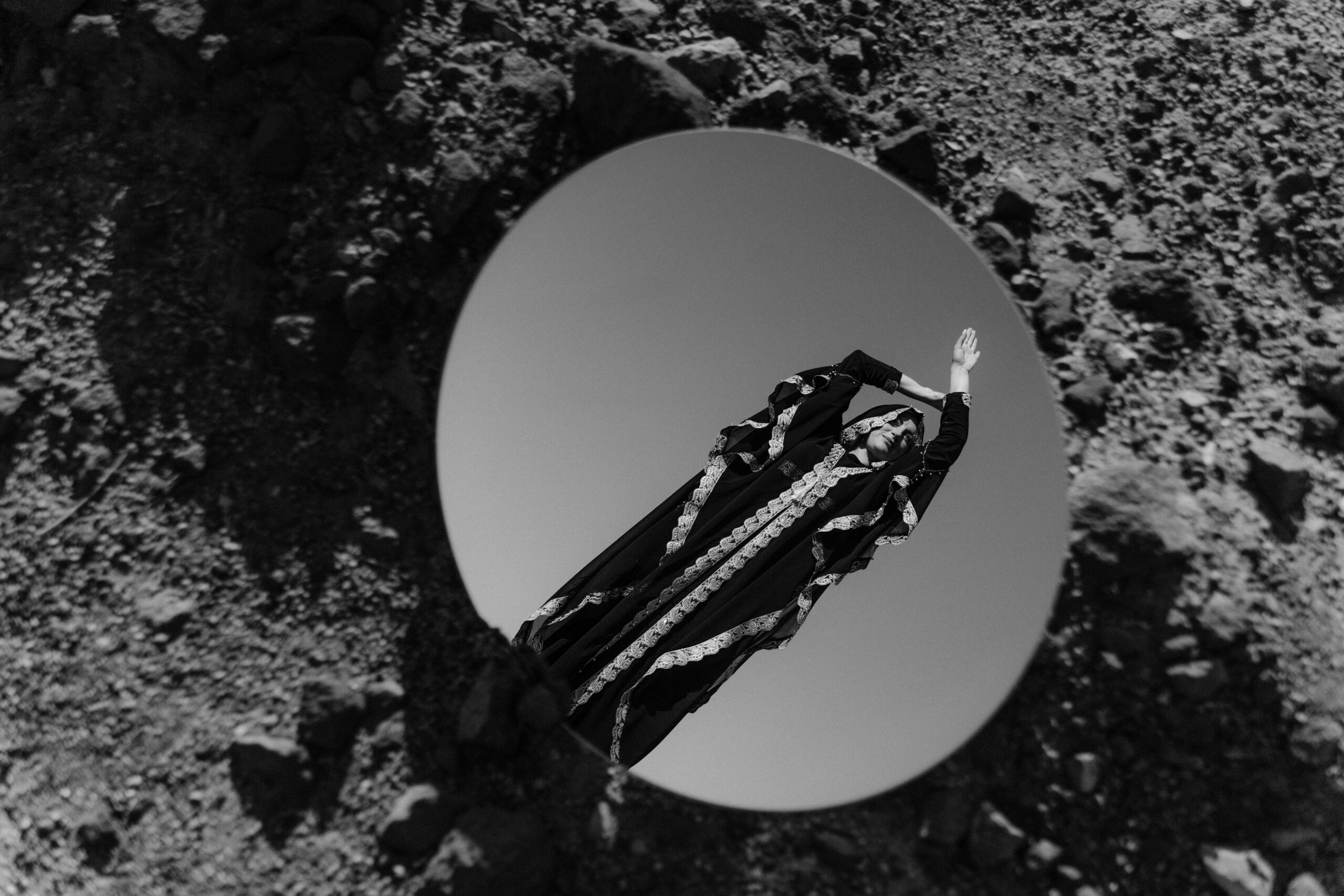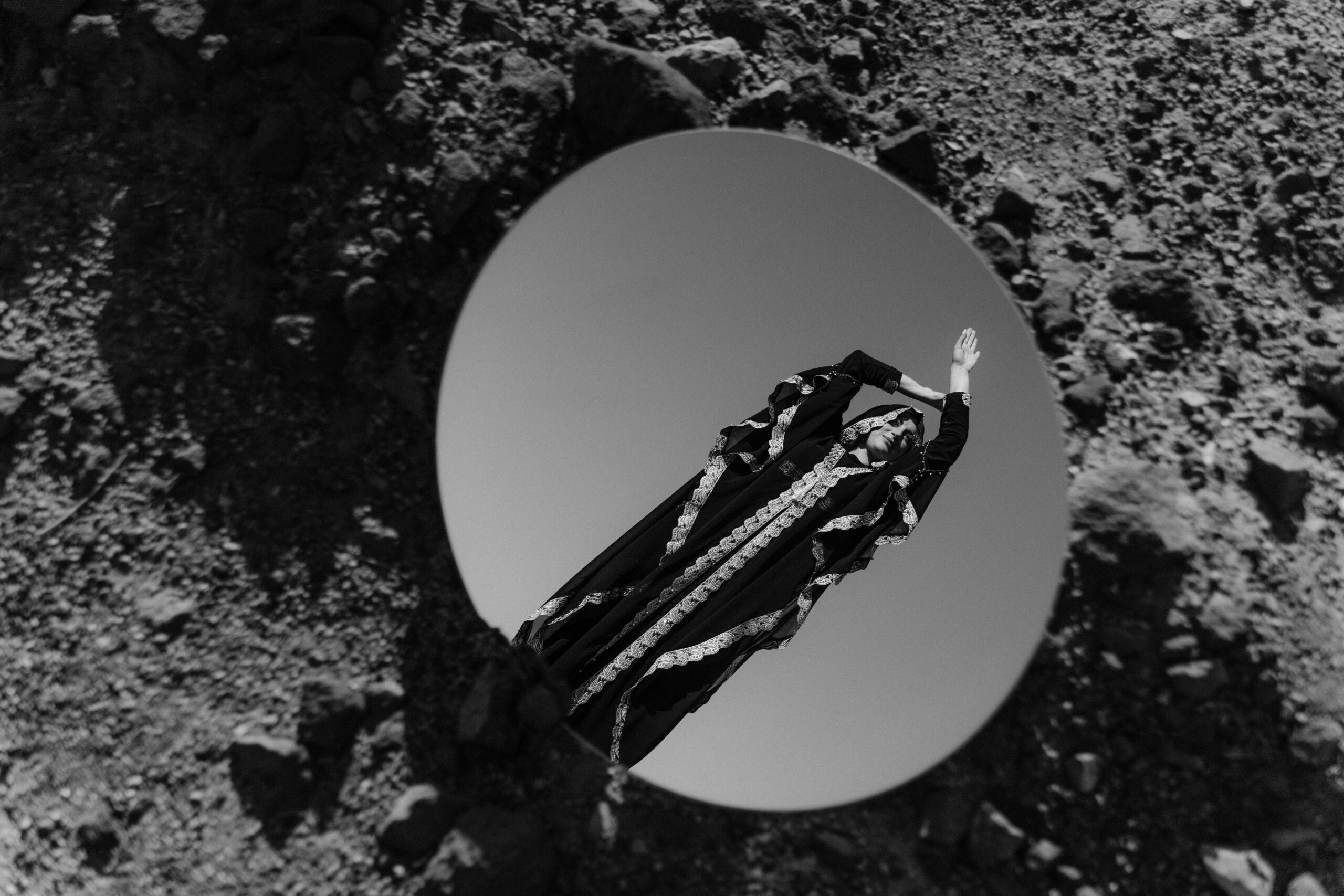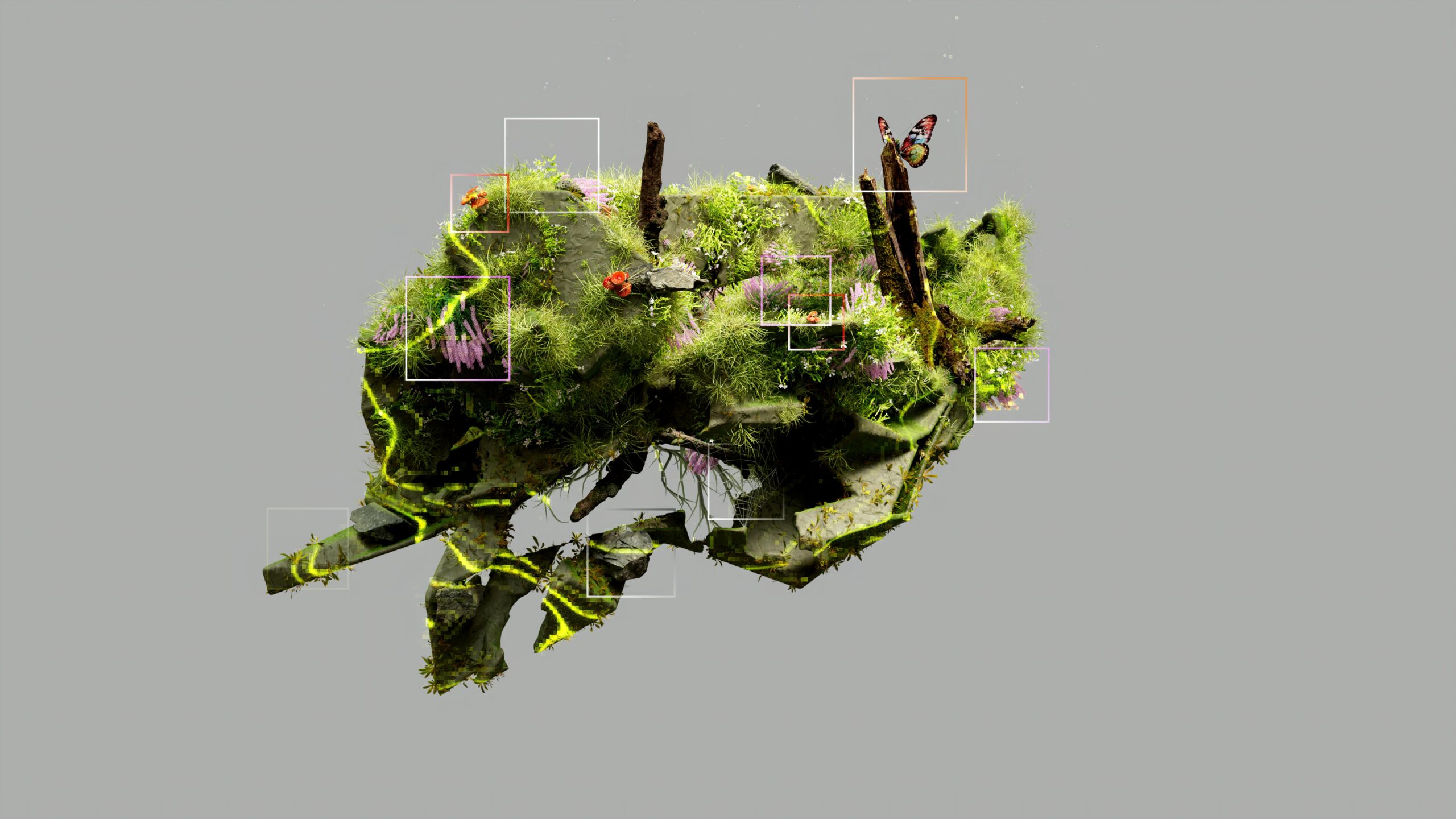
Reality isn’t just what happens to you—it’s what you perceive, interpret, and ultimately create through your unique lens of awareness.

For centuries, humanity has operated under the assumption that reality is an objective, fixed entity that exists independently of our observation. We wake up each morning believing the world around us is solid, unchangeable, and entirely separate from our consciousness. But what if this fundamental assumption has been limiting your potential all along?
The concept of observer-centered reality challenges everything you thought you knew about existence itself. Rooted in quantum physics, neuroscience, and ancient philosophical traditions, this paradigm shift suggests that consciousness doesn’t merely observe reality—it actively participates in creating it. Your attention, beliefs, and perceptual filters aren’t passive receivers of information; they’re dynamic forces that shape the very fabric of your experience.
Understanding and embracing observer-centered reality isn’t just an intellectual exercise. It’s a practical framework that can revolutionize how you navigate challenges, pursue goals, and experience fulfillment. When you recognize that your perception plays a central role in constructing your reality, you unlock unprecedented power to transform your life from the inside out.
🔬 The Scientific Foundation: Where Physics Meets Consciousness
The journey into observer-centered reality begins with one of the most bewildering discoveries in modern science: the observer effect in quantum mechanics. When physicists examined subatomic particles, they discovered something extraordinary—the act of observation fundamentally changes what’s being observed.
The famous double-slit experiment demonstrated that particles behave differently when watched versus when they’re not. An electron can exist in multiple states simultaneously—a phenomenon called superposition—until the moment someone observes it. At that instant, the particle “collapses” into a definite state. This isn’t a metaphor or philosophical speculation; it’s a repeatable, measurable phenomenon that has puzzled scientists for decades.
While quantum effects occur at microscopic scales, their implications extend far beyond the laboratory. They suggest that consciousness and physical reality are intimately connected in ways classical physics never imagined. Your brain doesn’t simply receive objective data from the outside world—it constructs a model of reality based on sensory input, past experiences, expectations, and beliefs.
Neuroscientist Donald Hoffman takes this further, proposing that our perceptions have evolved not to show us objective reality, but to help us survive. We don’t see the world as it is; we see a user interface optimized for evolutionary fitness. This means the reality you experience is already a creative interpretation, not a direct download of objective truth.
🧠 Your Brain: The Ultimate Reality-Construction Engine
Every second, your sensory organs transmit approximately 11 million bits of information to your brain. Yet your conscious mind can only process about 40 to 50 bits per second. This massive gap means your brain must constantly filter, interpret, and construct what you experience as “reality.”
The Reticular Activating System (RAS) in your brainstem acts as a gatekeeper, determining what information reaches your conscious awareness. This neurological filter is programmed by your goals, values, beliefs, and emotional states. When you buy a new car and suddenly see that model everywhere, you’re not experiencing a cosmic coincidence—your RAS has simply adjusted its filters.
This filtering process has profound implications. It means two people can witness the same event and have radically different experiences of it. More importantly, it means you can reprogram your perceptual filters to notice opportunities, resources, and possibilities that were always there but previously invisible to you.
The Confirmation Bias Loop
Your brain loves efficiency and consistency. Once it establishes a belief about yourself or the world, it actively seeks evidence that confirms that belief while filtering out contradictory information. If you believe you’re not good with technology, your brain will highlight every tech struggle while minimizing your successes, creating a self-fulfilling prophecy.
This isn’t a design flaw—it’s an energy-saving feature. But it can trap you in limiting realities of your own unconscious construction. Breaking free requires conscious intervention in your perceptual programming.
🌟 Practical Applications: Transforming Perception Into Power
Understanding observer-centered reality intellectually is interesting, but applying it practically is transformative. Here’s how you can leverage these principles to reshape your experience and unleash your potential.
Reframing: The Instant Reality Shift
Reframing is the practice of consciously changing the meaning you assign to events, circumstances, or characteristics. It doesn’t change external facts—it changes their significance in your constructed reality.
Consider failure. In one frame, it’s evidence of inadequacy, triggering shame and withdrawal. In another frame, it’s valuable data, a necessary step toward mastery. The external event remains identical, but your experience of it—and your subsequent behavior—changes completely based on the interpretive frame you apply.
Olympic athletes use reframing constantly. Pre-competition nervousness could be interpreted as anxiety (negative frame) or as excitement and readiness (positive frame). The physiological sensations are nearly identical; the performance outcomes are dramatically different.
Attention Management: Directing Your Reality Spotlight 🎯
Where your attention goes, energy flows—and reality grows. This isn’t motivational rhetoric; it’s describing the mechanism through which your RAS and neural networks shape your experience.
Deliberate attention management involves:
- Morning intention setting: Explicitly deciding what you want to notice and experience today
- Gratitude practices: Training your brain to scan for positive elements rather than threats
- Selective exposure: Consciously choosing inputs (media, conversations, environments) that align with your desired reality
- Mindfulness meditation: Developing the meta-awareness to notice where your attention drifts
When you consistently direct attention toward possibilities, growth, and abundance, your brain begins rewiring itself to construct a reality that reflects those patterns. Neural plasticity ensures that what you repeatedly focus on literally changes your brain structure.
Belief Auditing: Examining Your Reality Operating System
Your beliefs act as invisible architects of your experience. Many were installed in childhood without your conscious consent and continue running in the background, shaping what seems possible or impossible, safe or dangerous, available or off-limits.
Conduct a belief audit by examining areas where you feel stuck:
- What do I believe about my capabilities in this domain?
- What do I believe people like me can or cannot do?
- Where did this belief come from?
- Is this belief absolutely true, or is it one possible interpretation?
- What would become possible if I adopted a different belief?
The goal isn’t replacing negative beliefs with unrealistic positive ones. It’s recognizing that beliefs are hypotheses, not facts, and you can experiment with alternatives to see which produces better outcomes in your lived experience.
💡 The Observer Effect in Daily Life: Real-World Examples
Observer-centered reality manifests in everyday situations more often than you might realize. Understanding these instances helps you recognize opportunities to consciously participate in reality construction.
The Job Interview Phenomenon
Two candidates with identical qualifications interview for the same position. One believes she deserves the role and enters seeing the interviewer as a future colleague. The other doubts her worthiness and perceives the interviewer as a judge. These different perceptual frames create different realities: different body language, different conversational dynamics, and often, different outcomes.
Neither perception is objectively “true”—the interviewer is simply a person asking questions. But each candidate’s observation creates a distinct reality they then respond to, often confirming their initial frame.
The Relationship Mirror
In intimate relationships, you often experience your partner through layers of projection, expectation, and interpretation. When you expect criticism, neutral comments may sound harsh. When you’re feeling secure and loving, the same comment might seem innocuous or even endearing.
Couples therapy often involves helping partners recognize they’re not responding to each other directly, but to their interpretations—their constructed realities—of each other. When both parties become aware of this dynamic, they gain space to consciously choose their perceptual frames, transforming relationship reality.
The Health Perception Paradox
Studies on placebo effects reveal the power of observer-centered reality in physical health. When people believe they’re receiving treatment, measurable physiological changes occur—even when they’ve received inert substances. Their observation (belief about what they’re taking) literally alters their biological reality.
This doesn’t mean all illness is imaginary—but it does suggest that your beliefs about your body, your healing capacity, and your treatment significantly influence your actual physical experience and outcomes.
🚀 Advanced Practices: Mastering Your Perceptual Reality
Once you grasp the basics of observer-centered reality, you can explore more sophisticated practices that deepen your ability to consciously construct empowering experiences.
Perspective Shifting: The Multiple Viewpoint Technique
Most people experience situations from a single, default perspective—their own. But any situation can be observed from multiple vantage points, each revealing different aspects and possibilities.
When facing a challenge, deliberately examine it from:
- First position: Your own eyes (I, me, my perspective)
- Second position: Another person’s viewpoint (stepping into their shoes)
- Third position: An objective observer (watching the situation like a film)
- Fourth position: A systems view (seeing patterns and connections)
- Fifth position: Future you (looking back with wisdom gained)
Each perspective generates different insights and emotional responses. Practicing this flexibility trains you to consciously choose the most useful viewpoint rather than being trapped in automatic perception.
Reality Testing: Distinguishing Facts from Interpretations
A powerful practice involves separating observable facts from the interpretive stories you tell about them. This creates awareness of your participation in reality construction.
| Observable Fact | Possible Interpretation 1 | Possible Interpretation 2 |
|---|---|---|
| Your email wasn’t answered for three days | “They’re ignoring me” (rejection story) | “They’re busy or didn’t see it” (neutral story) |
| You received critical feedback | “I’m not good enough” (fixed identity) | “I have opportunity to improve” (growth orientation) |
| A project took longer than expected | “I’m bad at time management” (self-criticism) | “I learned the actual complexity” (learning frame) |
Notice that the fact remains constant while interpretations vary wildly. Your experience—your reality—is determined more by which interpretation you adopt than by the fact itself.
The Observer Meditation: Meeting Your Awareness
This meditation cultivates direct experience of yourself as the observer, distinct from thoughts, emotions, and perceptions. Find a quiet space and follow this progression:
- Notice your body: “I have a body, but I am not my body”
- Notice your emotions: “I have feelings, but I am not my feelings”
- Notice your thoughts: “I have thoughts, but I am not my thoughts”
- Notice awareness itself: “I am the conscious presence observing all of this”
This practice creates psychological distance from the contents of consciousness, helping you recognize that you’re not trapped in any particular perception—you’re the awareness that can choose where to focus and how to interpret.
⚡ Overcoming Obstacles: When Reality Feels Too Real
The most common objection to observer-centered reality is: “But some things really are bad. I can’t just think my way out of genuine problems.” This misunderstands the concept entirely.
Observer-centered reality doesn’t claim you can think away genuine constraints or pretend problems don’t exist. It recognizes that even within constraints, your perception dramatically influences your experience and your effective response options.
Viktor Frankl, imprisoned in Nazi concentration camps, couldn’t perceive his way out of that horrific reality. But he discovered that even in the most constrained circumstances, he retained freedom in how he interpreted his experience and where he directed his attention. This perceptual freedom—what he called “the last of human freedoms”—enabled not just psychological survival but the creation of meaning under meaningless conditions.
The Balance: Acceptance and Agency
Mature application of observer-centered reality involves holding two truths simultaneously: accepting what is (facts, circumstances, limitations) while exercising agency over what it means and how you respond.
This isn’t toxic positivity that denies difficulty. It’s radical responsibility for your perceptual participation in reality construction, even—especially—when external circumstances are challenging.

🌈 Integration: Living as a Conscious Reality-Creator
Transforming your understanding of observer-centered reality into lived experience requires consistent practice and patience. Your default perceptual habits have been reinforced for years or decades; they won’t disappear overnight.
Start with small, daily practices. Each morning, set an intention for what you want to notice. Throughout the day, catch yourself making interpretations and ask: “Is this the only way to see this situation?” Before sleep, reflect on moments when you successfully shifted perception and notice the results.
Over time, you’ll develop what might be called “perceptual flexibility”—the ability to consciously choose frames, perspectives, and attention patterns that serve your growth and wellbeing. You’ll notice you’re spending less time as a victim of circumstances and more time as an active participant in constructing meaningful experience.
This doesn’t mean controlling every aspect of life—that’s impossible and exhausting. It means recognizing your creative participation in the reality you experience, and claiming your power to shape perception even when you cannot control events.
The world of observer-centered reality isn’t somewhere else you need to reach. It’s where you’ve always been, only now you’re becoming conscious of it. And with that consciousness comes possibility—the possibility to perceive differently, respond creatively, and unleash potential that was always there, waiting for you to observe it into being. ✨
Your reality is not happening to you; it’s happening through you. The question isn’t whether you’ll participate in constructing your experience—you already are, every moment. The question is whether you’ll do it consciously or unconsciously, deliberately or automatically, in patterns that limit you or in ways that set you free.