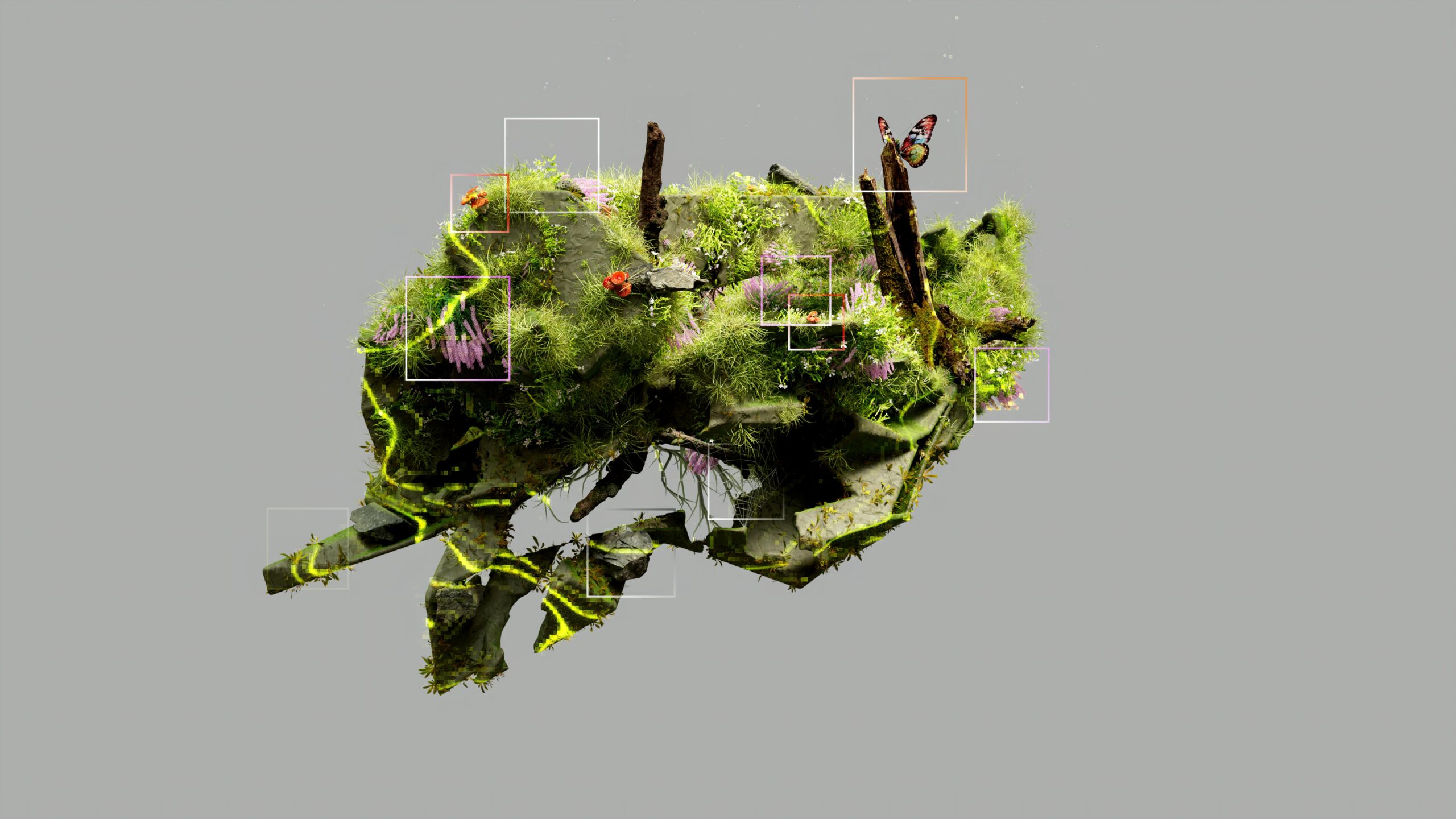
Every decision you make is filtered through invisible mental barriers that distort reality. These cognitive blindspots silently sabotage your judgment, relationships, and success daily.

🧠 What Are Cognitive Blindspots and Why They Matter
Cognitive blindspots are systematic errors in thinking that occur without our conscious awareness. Unlike simple mistakes or lapses in judgment, these mental gaps consistently prevent us from seeing situations accurately. They operate beneath the surface of our consciousness, shaping our perceptions, decisions, and interactions in ways we rarely recognize.
Research in behavioral economics and psychology has demonstrated that even highly intelligent, educated individuals fall prey to these thinking traps. Nobel Prize winner Daniel Kahneman’s groundbreaking work revealed that our minds use mental shortcuts—heuristics—that sometimes lead us astray. These shortcuts evolved to help us make quick decisions in dangerous situations, but in modern complex environments, they often cause more harm than good.
The challenge with cognitive blindspots is their invisibility. By definition, you cannot see your own blindspots without external tools, feedback, or structured analysis. This creates a paradox: the areas where you most need insight are precisely where you have the least self-awareness.
The Hidden Cost of Unexamined Thinking Patterns
Organizations lose millions annually due to poor strategic decisions rooted in cognitive blindspots. Leaders who fall victim to confirmation bias surround themselves with yes-men, missing critical warning signs until it’s too late. The 2008 financial crisis provides a sobering example of collective blindspots, where sophisticated investors failed to recognize obvious risks in mortgage-backed securities.
On a personal level, blindspots damage relationships, derail careers, and limit potential. Someone with a blindspot around their communication style might wonder why colleagues seem distant, never realizing their abrasive tone pushes people away. Another person might consistently choose toxic romantic partners, unable to see the pattern connecting their choices to unresolved childhood experiences.
The opportunity cost extends beyond immediate failures. When cognitive blindspots go unaddressed, they create compound negative effects over time. Each poor decision based on flawed perception leads to outcomes that reinforce the original blindspot, creating self-fulfilling prophecies that become increasingly difficult to break.
🔍 The Science Behind Blindspot Analysis
Cognitive blindspot analysis draws from multiple disciplines including neuroscience, psychology, and decision theory. Brain imaging studies show that different neural pathways activate during intuitive versus analytical thinking. When we operate on autopilot—as we do most of the time—our prefrontal cortex takes a back seat to faster, more primitive brain structures.
The Dunning-Kruger effect illustrates one particular blindspot: incompetent individuals often overestimate their abilities because they lack the metacognitive skills to recognize their limitations. Meanwhile, experts tend to underestimate their competence, assuming others share their knowledge. This creates communication gaps and misjudgments across skill levels.
Blindspot analysis works by creating structured frameworks that force different thinking modes. When you systematically question assumptions, seek disconfirming evidence, and apply formal decision-making protocols, you engage different neural circuits that can catch errors your default thinking patterns miss.
Common Categories of Cognitive Blindspots
Understanding the landscape of cognitive biases helps identify where your personal blindspots might hide. While researchers have catalogued over 180 distinct cognitive biases, several categories account for the majority of decision-making errors:
- Confirmation Bias: Seeking information that supports existing beliefs while dismissing contradictory evidence
- Anchoring Effect: Over-relying on the first piece of information encountered when making decisions
- Availability Heuristic: Overestimating the likelihood of events that easily come to mind
- Sunk Cost Fallacy: Continuing investment in failing projects due to past commitments rather than future potential
- Attribution Error: Blaming circumstances for your failures while attributing others’ failures to character flaws
- Dunning-Kruger Effect: Misjudging competence levels—either yours or others’
- Groupthink: Conforming to group consensus while suppressing dissenting opinions
Practical Tools for Identifying Your Personal Blindspots
The journey toward clearer decision-making begins with humble acknowledgment: you have blindspots, and you cannot identify them alone. This isn’t a character flaw—it’s a feature of human neurology. The most successful leaders, investors, and decision-makers build systems specifically designed to compensate for these limitations.
The Red Team Approach
Military strategists developed red teaming as a method to challenge operational plans. A designated group actively argues against proposed strategies, searching for weaknesses and flawed assumptions. Applying this to personal decision-making means deliberately cultivating devil’s advocates—people who will challenge your thinking without personal agenda.
When facing important decisions, present your reasoning to someone specifically tasked with poking holes in your logic. The key is creating psychological safety so they genuinely challenge you rather than offering polite agreement. Some executives hire consultants specifically for this adversarial role, ensuring they receive unfiltered critique.
Pre-Mortem Analysis
Developed by psychologist Gary Klein, the pre-mortem technique involves imagining your decision has failed catastrophically, then working backward to identify what went wrong. This mental time travel activates different cognitive pathways than traditional planning, surfacing concerns that optimism bias typically suppresses.
Before launching a project, gather your team and say: “It’s one year from now, and our initiative has failed spectacularly. What happened?” This simple reframing gives permission to voice doubts and identify risks without seeming negative or unsupportive during planning phases.
Decision Journals and Pattern Recognition
Maintaining a decision journal creates an evidence trail that reveals patterns over time. When making significant choices, document your reasoning, expectations, and the information you considered. Months later, review outcomes against predictions to identify systematic errors.
This practice counteracts hindsight bias—the tendency to believe past events were more predictable than they actually were. By capturing your actual thought process in the moment, you create honest feedback about which mental models serve you well and which lead you astray.
💡 Implementing Structured Decision-Making Frameworks
While awareness helps, systematic frameworks provide the most reliable protection against cognitive blindspots. These structured approaches force you through cognitive checkpoints that catch errors before they become costly mistakes.
The WRAP Framework
Authors Chip and Dan Heath developed the WRAP framework specifically to counteract common decision-making biases:
- Widen Your Options: Fight narrow framing by generating multiple alternatives
- Reality-Test Your Assumptions: Seek disconfirming evidence and external perspectives
- Attain Distance: Overcome short-term emotion through temporal and perspective shifts
- Prepare to Be Wrong: Set tripwires and create contingency plans
Each step targets specific blindspots. Widening options counteracts false dichotomies. Reality-testing fights confirmation bias. Attaining distance reduces emotional hijacking. Preparing for failure addresses overconfidence and planning fallacy.
Multi-Perspective Analysis
Complex decisions benefit from examining situations through multiple lenses. Consider the same problem from different stakeholder perspectives, timeframes, and value systems. A business decision might look very different when viewed through financial, ethical, employee wellbeing, and long-term strategic lenses.
Create a simple table to organize this analysis:
| Perspective | Key Considerations | Potential Blindspots |
|---|---|---|
| Financial | ROI, cash flow, risk exposure | Ignoring intangible value, short-term thinking |
| Employee | Morale, workload, development opportunities | Disconnection from ground-level reality |
| Customer | Value delivered, experience quality, trust | Assuming customer needs match internal assumptions |
| Long-term Strategic | Market positioning, adaptability, sustainability | Sacrificing future for present convenience |
🎯 Building a Personal Blindspot Detection System
The most effective approach combines multiple detection methods into an ongoing practice rather than one-time exercises. Think of blindspot analysis as mental hygiene—something requiring regular attention rather than occasional intervention.
Establish Feedback Loops
Create mechanisms that deliver honest feedback about your judgment and behavior. This might include 360-degree reviews at work, regular check-ins with a mentor, or structured conversations with family members about relationship patterns. The key is making feedback specific, timely, and focused on behaviors rather than character judgments.
Many people resist feedback because it triggers defensive reactions. Reframe feedback as data rather than criticism. When someone points out a blindspot, they’re giving you valuable information about how your actions land differently than you intend—a gift, not an attack.
Diverse Information Sources
Algorithmic filter bubbles and self-selected social circles create echo chambers that reinforce existing blindspots. Deliberately seek perspectives different from your own. Read publications across the political spectrum. Engage with people from different industries, cultures, and backgrounds. Attend conferences outside your specialty.
This isn’t about abandoning your values but about understanding how intelligent, well-meaning people reach different conclusions. Often, the most valuable insights come from understanding why your perspective seems wrong to others—revealing assumptions you didn’t know you held.
Regular Cognitive Audits
Schedule quarterly reviews specifically focused on decision quality rather than outcomes. Outcomes involve luck and external factors beyond your control; processes remain within your influence. Ask yourself:
- Which decisions did I make this quarter based primarily on emotion versus analysis?
- Where did I ignore warning signs or dissenting opinions?
- What patterns emerge in my successful versus unsuccessful decisions?
- Which of my predictions proved most accurate? Most inaccurate?
- Who challenged my thinking most effectively, and did I listen?
Transforming Organizations Through Collective Blindspot Awareness
While individual blindspot work creates personal benefits, organizational transformation requires embedding these practices into culture and processes. Companies like Bridgewater Associates have built entire operating systems around radical transparency and systematic error identification.
Team-level blindspot analysis starts with psychological safety. When people fear punishment for mistakes or disagreement, they hide information that could prevent disasters. Leaders must model vulnerability by openly discussing their own blindspots and rewarding those who surface uncomfortable truths.
Effective organizations create decision-making protocols that require multiple perspectives before major commitments. These might include mandatory external reviews, diverse decision committees, or structured debate processes that ensure minority opinions receive serious consideration.
🚀 From Awareness to Action: Making Better Decisions Today
Understanding cognitive blindspots means nothing without application. The goal isn’t perfect judgment—an impossible standard—but consistent improvement in decision quality over time. Start small with low-stakes decisions, building the mental muscles required for more significant choices.
Before your next important decision, try this simple protocol: Write down your initial instinct and reasoning. Wait 24 hours. Identify three ways your initial assessment could be wrong. Seek input from someone with a different perspective. Review your decision criteria to ensure they align with your actual priorities rather than surface urgency.
This pause-and-reflect approach activates analytical thinking that catches errors your intuition misses. Over time, these deliberate practices become mental habits that improve judgment even during fast-paced situations.

The Ongoing Journey of Clearer Thinking
Cognitive blindspot analysis isn’t a destination but a practice—one that deepens with experience and self-knowledge. The most sophisticated thinkers remain humble students of their own mental processes, constantly discovering new layers of assumption and bias beneath previous insights.
As you develop this practice, you’ll notice a paradoxical effect: the more you learn about blindspots, the more you realize how much remains hidden. This expanding awareness, rather than being discouraging, should inspire confidence. You’re building meta-cognitive skills—the ability to think about thinking—that compound over time.
The investment in understanding your cognitive blindspots pays dividends across every domain of life. Relationships improve when you recognize how your behaviors affect others differently than you intend. Career advancement accelerates when you make strategic choices based on reality rather than wishful thinking. Financial outcomes strengthen when you avoid predictable psychological traps that destroy wealth.
Most importantly, blindspot awareness creates freedom. When you understand the invisible forces shaping your perceptions, you gain agency to choose different responses. The automatic reactions that once controlled you become options you consciously evaluate. This shift from unconscious reactivity to deliberate choice represents true personal development—not becoming perfect, but becoming conscious of imperfection and working skillfully within those constraints.
Start today by identifying just one blindspot in an area of life that matters to you. Seek honest feedback. Test your assumptions. Question your certainties. The clearer thinking that results will transform not just individual decisions but the entire trajectory of your life’s path forward.