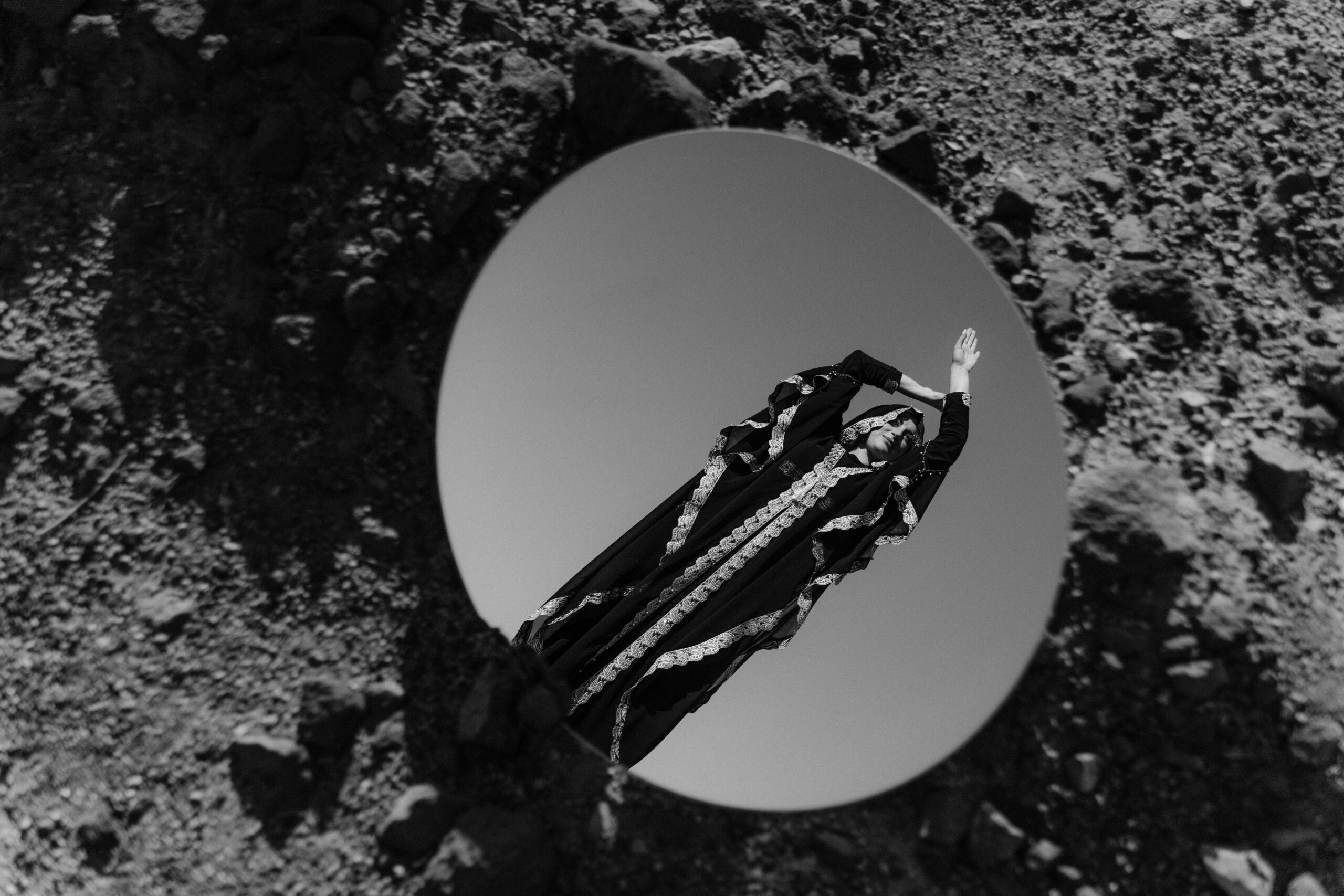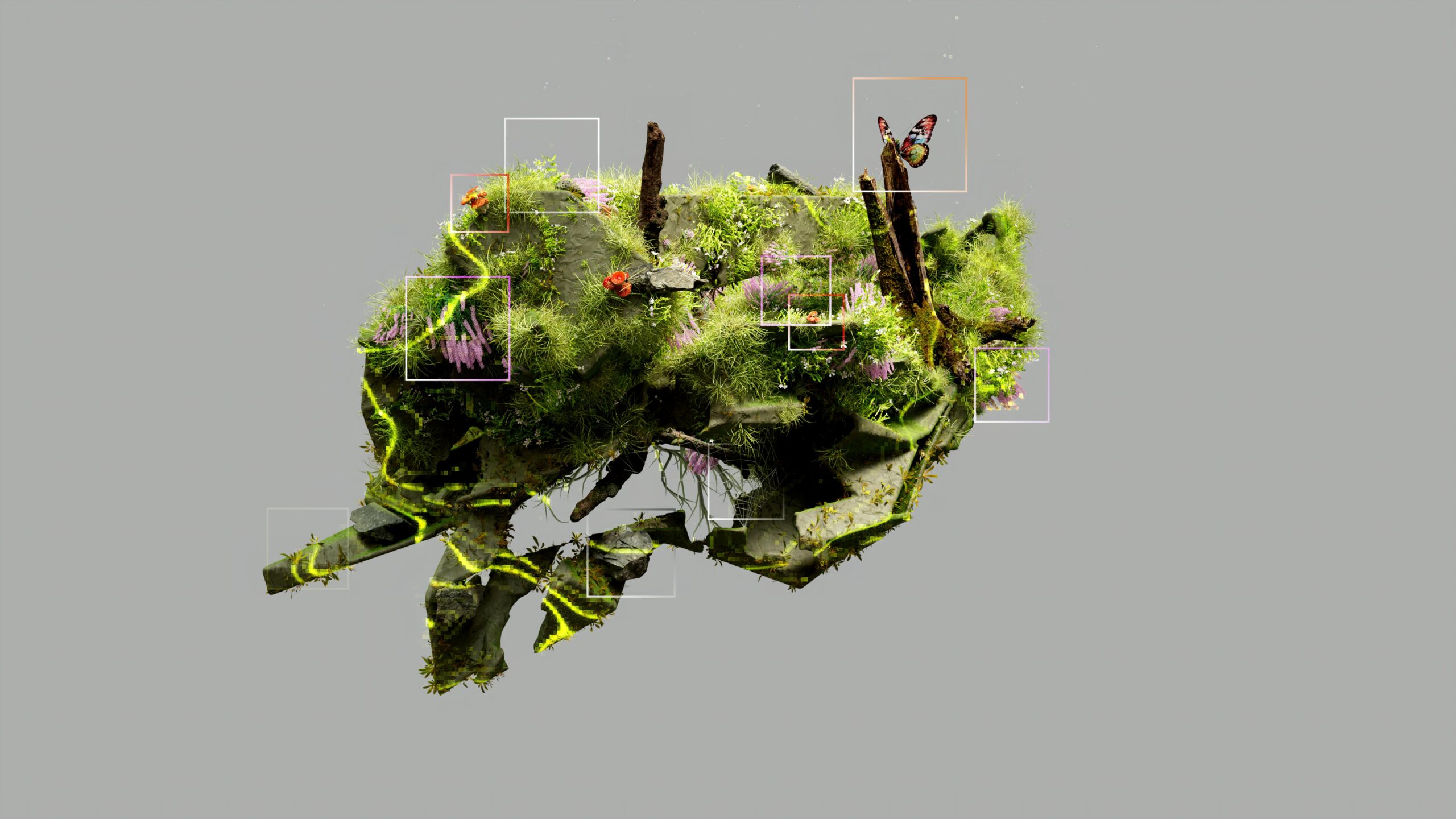
Optical illusions have captivated human perception for centuries, and today’s designers are harnessing their psychological power to create memorable, engaging visual experiences that command attention and spark curiosity.

🎨 The Science Behind Visual Deception
Our brains constantly process visual information, making assumptions and filling gaps based on past experiences. Optical illusions exploit these cognitive shortcuts, creating discrepancies between reality and perception. When designers understand these neurological mechanisms, they gain access to a powerful toolkit that transforms ordinary designs into extraordinary experiences.
The human visual system isn’t a perfect camera—it’s an interpretive mechanism that prioritizes speed over accuracy. This evolutionary trait, designed to help our ancestors survive threats, now provides designers with creative opportunities. By manipulating contrast, perspective, color, and pattern, visual creators can guide viewers’ eyes, influence emotions, and craft unforgettable brand experiences.
Research in cognitive psychology reveals that our perception depends heavily on context, expectation, and surrounding elements. These principles form the foundation of effective illusionary design, allowing creative professionals to control exactly how audiences interpret their work.
Breaking Down the Core Types of Optical Illusions 👁️
Understanding the fundamental categories of visual distortion enables designers to select the appropriate technique for specific project goals. Each type offers unique benefits and applications across different design disciplines.
Geometric Illusions and Spatial Manipulation
Geometric illusions alter our perception of size, length, and orientation. The famous Müller-Lyer illusion demonstrates how identical lines appear different lengths based on arrow direction at their endpoints. Designers apply these principles in logo creation, architectural visualization, and user interface design to create depth perception on flat surfaces.
Spatial distortion techniques prove particularly valuable in small-space interior design, where strategic pattern placement can make rooms appear larger. Floor tiles, wall patterns, and furniture arrangements utilizing converging lines create psychological expansion that defies actual measurements.
Color and Contrast Illusions
Color perception remains highly subjective and contextual. The same hue appears dramatically different depending on surrounding colors—a phenomenon designers exploit for maximum visual impact. Simultaneous contrast, where complementary colors intensify each other, creates vibrant compositions that demand attention.
The checkerboard shadow illusion, where identical gray squares appear different shades based on their position, demonstrates how context overrides objective reality. Web designers use this principle to optimize readability, establish visual hierarchy, and guide user attention through intentional contrast manipulation.
Motion and Animation Illusions
Static images can appear to move through careful arrangement of patterns, colors, and shapes. These peripheral drift illusions occur when our peripheral vision detects false motion signals. Modern digital designers incorporate subtle motion illusions into loading screens, background patterns, and interactive elements to enhance engagement without actual animation costs.
Practical Applications Across Design Disciplines 🚀
The strategic implementation of optical illusions extends far beyond artistic experimentation. Professional designers across multiple industries leverage these techniques to solve practical problems and achieve specific business objectives.
Brand Identity and Logo Design
Memorable logos often incorporate clever visual tricks that create dual meanings or hidden imagery. The FedEx arrow, Toblerone bear, and Amazon smile demonstrate how subtle illusions enhance brand recognition. These designs reward closer inspection, encouraging viewers to engage more deeply with brand identity.
Negative space manipulation, where the background forms meaningful shapes, adds sophistication and depth to logo design. This technique communicates multiple messages simultaneously, maximizing the efficiency of visual communication within minimal space.
User Experience and Interface Design
Digital interface designers employ illusions to improve usability and guide user behavior. Gradients create perceived depth, making buttons appear clickable. Shadow effects establish visual hierarchy, helping users understand which elements are interactive versus informational.
The Delboeuf illusion, where identical circles appear different sizes based on surrounding circles, influences button and icon sizing decisions. Designers strategically enlarge or reduce perceived size without changing actual dimensions, optimizing screen real estate while maintaining usability.
Packaging and Product Design
Product packaging utilizes optical illusions to influence purchase decisions. Vertical stripes make packages appear taller and more premium, while certain color combinations affect perceived product volume. Wine bottles, perfume containers, and luxury goods regularly employ these psychological tricks.
Texture illusions create tactile expectations before physical contact. Matte finishes appear more natural and organic, while glossy surfaces communicate modernity and technology. Designers select visual treatments that align perception with brand positioning.
Mastering Technical Implementation Strategies 🔧
Understanding theory differs significantly from practical application. Successful designers develop systematic approaches to implementing optical illusions across various media and platforms.
Grid Systems and Mathematical Precision
Many effective illusions require precise mathematical relationships between elements. Designers use grid systems to maintain consistent proportions, spacing, and alignment that create intended effects. The golden ratio, Fibonacci sequence, and other mathematical principles provide frameworks for harmonious visual distortion.
Software tools enable exact manipulation of angles, distances, and ratios. Vector-based programs like Adobe Illustrator offer precision unavailable through manual methods, allowing designers to test subtle variations and achieve perfect implementation.
Color Theory Application
Effective illusionary design demands advanced color knowledge beyond basic wheel understanding. Designers must consider luminance, saturation, temperature, and simultaneous contrast effects when selecting palettes.
- High contrast combinations create stronger illusions but may reduce sophistication
- Analogous colors produce subtle effects suitable for elegant applications
- Complementary pairs maximize visual vibration and energy
- Neutral backgrounds allow illusionary elements to perform without competition
- Gradient transitions enable smooth perceptual shifts across compositions
Testing Across Viewing Conditions
Optical illusions perform differently depending on viewing distance, screen size, lighting conditions, and viewer characteristics. Professional designers test their work across multiple scenarios to ensure consistent effectiveness.
What appears striking on a large desktop monitor might fail completely on mobile devices. Color illusions may disappear under certain lighting conditions or for colorblind viewers. Responsible designers consider accessibility alongside aesthetic impact, ensuring their work communicates effectively to diverse audiences.
Contemporary Trends in Illusionary Design ✨
Design trends constantly evolve, but certain illusionary techniques are experiencing renewed popularity as digital capabilities expand and audiences become more visually sophisticated.
Isometric and Impossible Object Illustrations
Isometric projection creates pseudo-3D representations where parallel lines never converge. This style dominates tech industry illustration, app interfaces, and infographic design. The clean, organized aesthetic communicates technical precision while maintaining visual interest.
Impossible objects like Penrose triangles and endless staircases fascinate viewers by appearing structurally sound from one perspective while remaining physically impossible. Designers incorporate these elements into logos, architectural renders, and artistic compositions that challenge perception.
Augmented Reality Integration
AR technology allows designers to create illusions that exist in physical space rather than on screens. Furniture retailers show products in customer homes, cosmetic brands enable virtual try-ons, and artists create installations visible only through smartphone cameras.
This emerging medium combines traditional optical illusion principles with cutting-edge technology, creating hybrid experiences that blur distinctions between digital and physical reality. Designers pioneering this space establish new visual languages and interaction paradigms.
Kinetic Typography and Dynamic Compositions
Motion design leverages optical illusions through animation timing, easing functions, and transition effects. Typography that appears to shift perspective, letters that morph between meanings, and text that creates depth through parallax scrolling represent the convergence of traditional illusion with modern technology.
These techniques dominate social media content, where attention spans measure in seconds. Dynamic illusions stop scrollers mid-feed, delivering marketing messages through entertaining visual experiences.
Ethical Considerations and Responsible Application 🤔
With great perceptual power comes significant responsibility. Designers must consider the ethical implications of deliberately manipulating viewer perception, particularly in commercial and persuasive contexts.
Transparency Versus Manipulation
There’s a fine line between clever design and deceptive practice. Illusions that enhance aesthetic appeal or improve usability differ fundamentally from those that mislead consumers about product qualities or service offerings.
Responsible designers ensure their visual tricks never compromise truthful communication. Package designs that make products appear larger than reality, interfaces that hide costs through visual distraction, or advertisements that misrepresent capabilities cross ethical boundaries regardless of technical sophistication.
Accessibility and Inclusive Design
Optical illusions may create barriers for users with visual impairments, cognitive differences, or neurological conditions. Some individuals experience headaches or discomfort when viewing certain patterns, while others cannot perceive specific color-based illusions.
Inclusive design principles require providing alternative experiences that communicate the same information without relying exclusively on perceptual manipulation. This might include text descriptions, simplified versions, or adjustable settings that reduce visual complexity.
Building Your Illusionary Design Skillset 📚
Mastering optical illusion application requires dedicated practice, continuous learning, and systematic skill development. Designers can accelerate their growth through strategic approaches to education and experimentation.
Study Historical Masters
Artists like M.C. Escher, Victor Vasarely, and Bridget Riley pioneered techniques that remain relevant today. Analyzing their work reveals principles applicable to contemporary design challenges. Understanding how these masters manipulated perception without digital tools provides insights into fundamental visual mechanics.
Museums, books, and online galleries offer accessible resources for studying optical art history. Designers benefit from sketching recreations of famous illusions, dissecting their construction, and identifying underlying patterns.
Experiment With Digital Tools
Modern software enables rapid experimentation impossible through traditional media. Designers should dedicate time to playing with blend modes, transformation tools, pattern generators, and 3D capabilities without specific project constraints.
This exploratory approach builds intuitive understanding of how digital tools create specific effects. Accidental discoveries during experimentation often become signature techniques that differentiate a designer’s work.
Seek Interdisciplinary Knowledge
Effective illusionary design draws from psychology, neuroscience, mathematics, and philosophy. Designers who study perception research, cognitive biases, and visual processing mechanisms develop deeper understanding than those focusing exclusively on aesthetic trends.
Reading scientific papers about visual perception, attending interdisciplinary conferences, and collaborating with researchers from other fields expand creative possibilities and ground design decisions in evidence-based understanding.
Future Directions and Emerging Possibilities 🔮
As technology advances and our understanding of perception deepens, new opportunities for illusionary design continuously emerge. Forward-thinking designers position themselves at the intersection of art, science, and technology.
Brain-computer interfaces may eventually allow direct manipulation of perception without visual stimuli. Virtual reality creates immersive environments where physical laws become optional, enabling impossible architectures and physics-defying experiences. Artificial intelligence generates novel illusions beyond human imagination through algorithmic exploration.
These developments won’t replace fundamental design principles but will expand the canvas on which designers work. Those mastering traditional optical illusions today build the foundation for pioneering tomorrow’s perceptual innovations.
Transforming Vision Into Reality 🎯
Optical illusions represent far more than visual tricks or clever novelties. They embody sophisticated understanding of human perception, strategic manipulation of visual elements, and thoughtful consideration of viewer psychology. Designers who master these techniques gain competitive advantages in crowded markets where attention remains the scarcest resource.
The journey from understanding basic illusions to implementing them effectively requires patience, practice, and persistent experimentation. But designers who invest in developing these skills create work that transcends ordinary communication, engaging audiences at deeper psychological levels and leaving lasting impressions.
Whether designing logos, websites, products, or spaces, the principles of optical illusion offer powerful tools for solving visual problems and achieving communication goals. The most successful designers balance technical precision with artistic intuition, ethical responsibility with creative ambition, and timeless principles with contemporary innovation.
Start small, study extensively, experiment boldly, and always consider your audience’s experience. The art of visual distortion awaits those willing to see beyond surface appearances and explore the fascinating territory where perception meets reality.